

A balanced guide for first-time patients weighing blepharoplasty in Dubai — who benefits, who should be cautious, alternatives, recovery and how to choose a clinic.
Deciding whether to have surgery on your eyelids is not a decision to rush. For some people the answer is clear: heavy upper lids are affecting their vision, or bags under the eyes have become a daily frustration. For others, the change is subtler, and the question is whether surgery is worth it at all. Blepharoplasty in Dubai is widely available, and Dubai, UAE, offers a large choice of clinics, so the harder part is often deciding whether the procedure is right for you in the first place.
This guide is written for first-time patients who are still deciding. It looks at who tends to benefit from eyelid surgery, who should be cautious, what the alternatives are, and how to weigh the decision honestly. It also covers what the procedure and recovery involve, so that readers can judge the trade-offs with clear information.
Who Tends to Benefit from Eyelid Surgery?
The people who are usually happiest with blepharoplasty are those with a specific, identifiable concern that surgery can address. The most common is excess skin on the upper lids that folds over the crease and makes the eyes look heavy or tired. In more pronounced cases this skin can narrow the upper field of vision, and some people notice that reading or driving feels tiring by the end of the day.
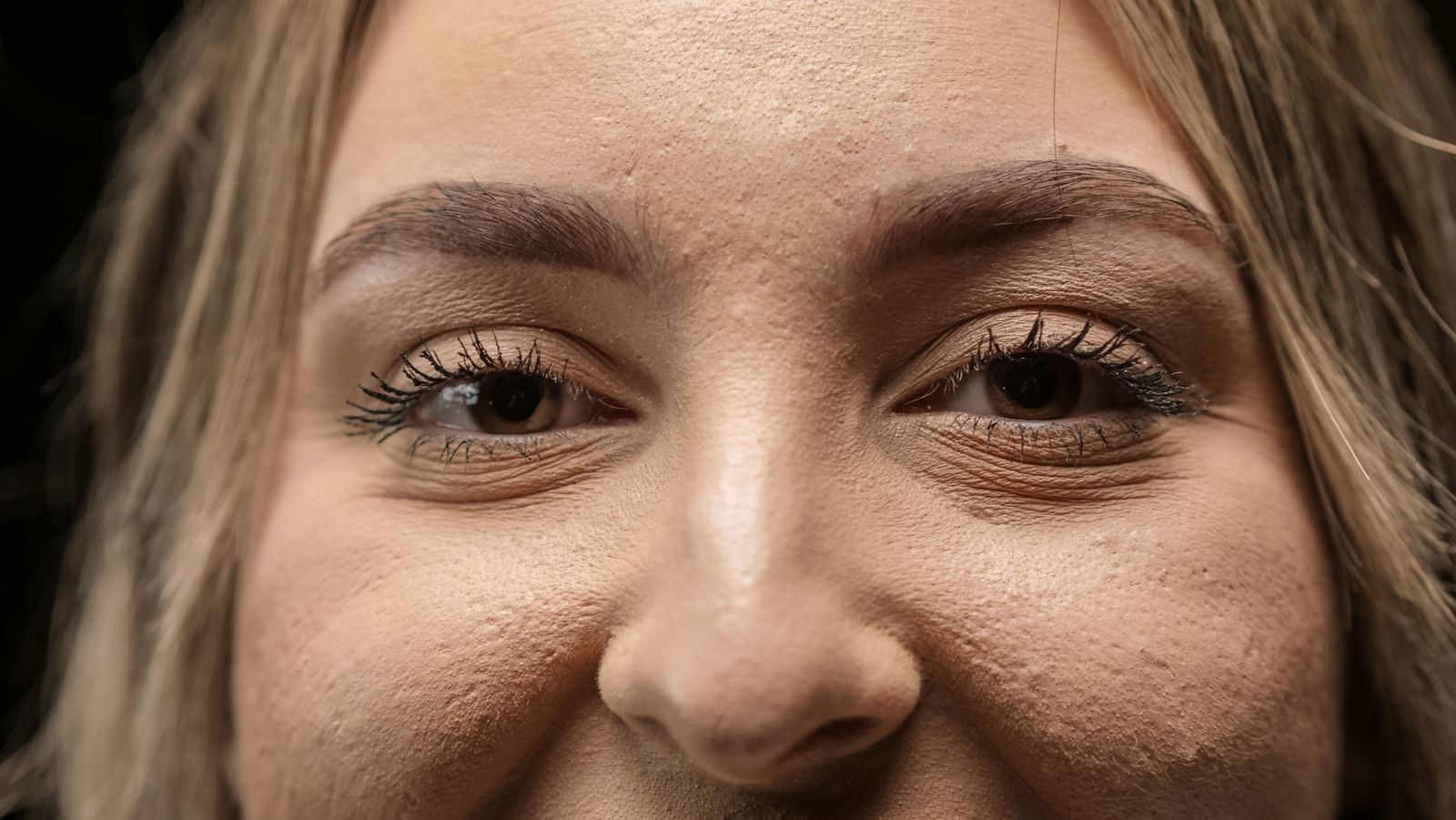
Another group who benefit are those with puffiness or bags beneath the eyes, caused by fat that has shifted forward with age. When the problem is displaced fat rather than pigmentation or thin skin, surgery can make a visible difference, giving the lower lids a smoother appearance.
Good candidates are generally adults in good general health who understand what the procedure can and cannot do. They have a clear idea of the change they want, they accept that results take months to settle fully, and they are prepared for a recovery period of a week or two. Age itself is not a barrier: people in their forties, fifties, sixties and beyond all undergo the procedure, and the deciding factor is the condition of the eyelids rather than the number of years.
Who Should Be Cautious?
Some people should think carefully before proceeding. Those with certain eye conditions, such as dry eye syndrome, glaucoma or a history of eye surgery, may need additional assessment, and in some cases surgery may not be advisable. Medical conditions that affect healing, such as poorly controlled diabetes or certain immune conditions, also need to be discussed openly with the surgeon.
Expectations matter as much as health. Blepharoplasty cannot lift the eyebrows, smooth crow's feet, or remove dark circles caused by pigmentation. It cannot change the shape of the eyes, and it cannot stop the ageing process. A person hoping for a complete transformation is likely to be disappointed, and a responsible surgeon will say so plainly.
It is also worth pausing if the decision is being driven by pressure from someone else, or by a single photograph taken in unflattering light. Eyelid surgery is an elective procedure, which means there is no urgency. Taking weeks or even months to think it over is entirely reasonable, and a clinic that respects that is usually a better choice than one that presses for a quick booking.
What Are the Alternatives?
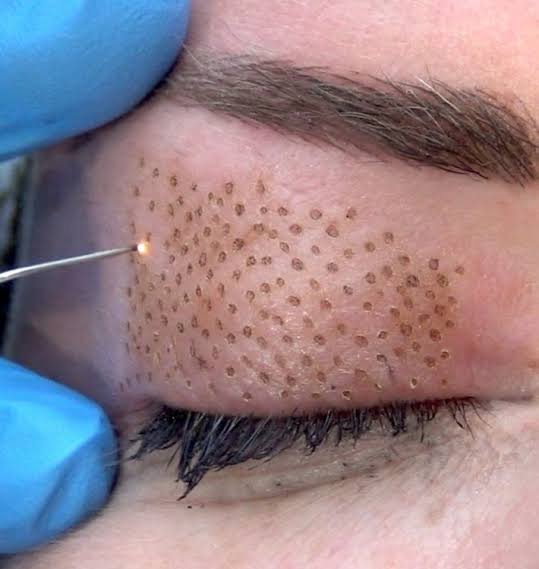
Not every concern around the eyes needs surgery. For mild puffiness, non-surgical options such as dermal fillers, skin tightening treatments or laser resurfacing may be worth discussing, although their effects are more modest and temporary. Good skincare, sun protection and adequate sleep also make a real difference to how the eye area looks, even if they cannot remove excess skin.
Brow position is another factor that is sometimes overlooked. In some people, what looks like heavy upper eyelids is actually caused by brows that have dropped with age. In those cases, a brow lift may be more appropriate than eyelid surgery, or the two may be combined. A thorough consultation should consider the whole eye area rather than looking at the lids in isolation.
The honest answer is that alternatives suit some people and not others. A consultation that discusses alternatives, rather than steering every patient towards surgery, is a sign of a clinic that puts the patient first.
It is also worth asking how long any non-surgical result is likely to last and what maintenance it would need. Fillers and tightening treatments usually require repeat sessions, and their cost over several years can add up to more than a single operation. For some patients that trade-off is acceptable, because the treatment is less invasive and involves little or no downtime. For others, the idea of a single procedure with a long-lasting result is more appealing. There is no single right answer, and the decision depends on the individual's priorities, budget and tolerance for downtime.
How Blepharoplasty Works
Blepharoplasty is a surgical procedure that removes or repositions excess skin, muscle and fat around the eyelids. It can be carried out on the upper lids, the lower lids, or both in the same session. The surgeon works through incisions placed along the natural creases of the eyelid, so that scars are hidden as much as possible once healing is complete.
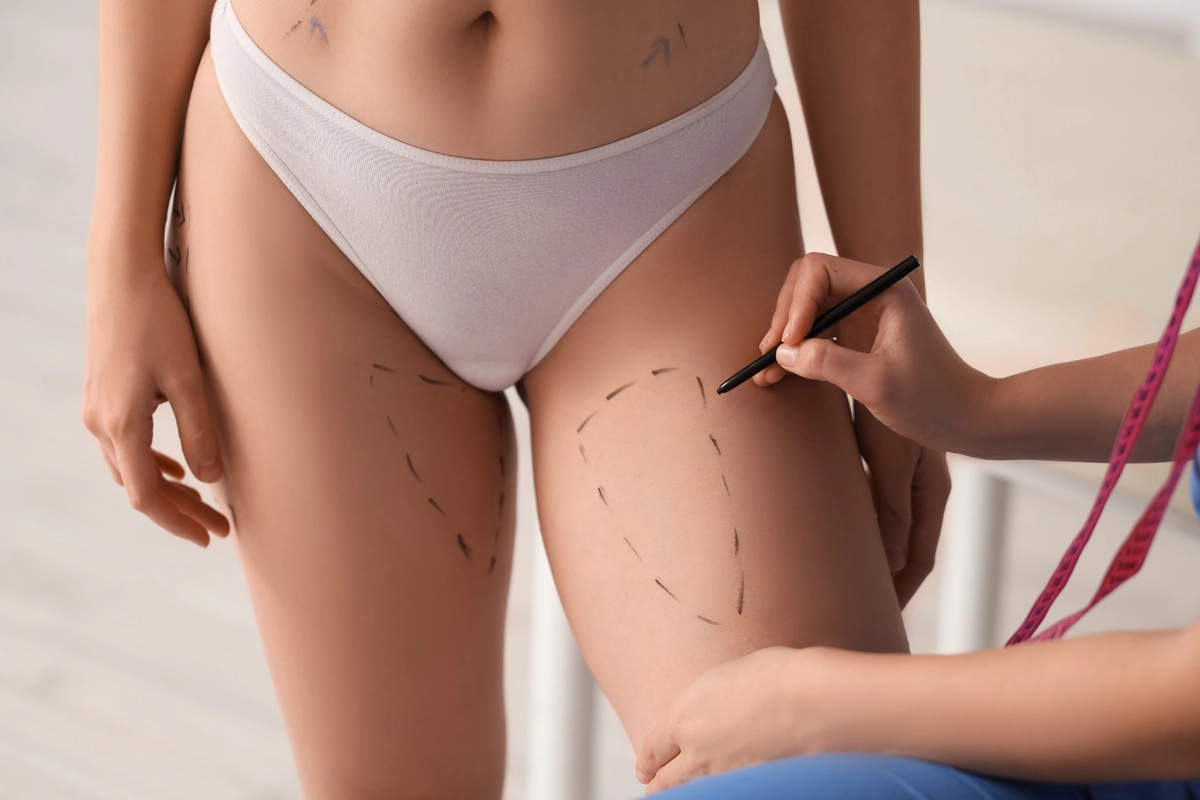
The operation is usually performed under local anaesthesia with sedation, and it typically takes between one and three hours. Before surgery, the surgeon marks the planned incisions while the patient is sitting upright, since the position of the skin changes when lying down. After the procedure, a cold compress is usually applied, and the patient goes home the same day with a companion.
Recovery is usually straightforward. Swelling and bruising are most noticeable in the first two or three days and generally fade within one to two weeks. Most people return to desk work within about a week, while strenuous exercise is avoided for two to three weeks. The final result continues to settle over several months as scars fade and the tissues soften.
As with any surgery, there are risks, including infection, bleeding, scarring, asymmetry and, rarely, difficulty closing the eyes fully. These risks are uncommon, but they should be discussed openly at the consultation, and a patient who understands both the benefits and the risks is better placed to make a confident decision.
How to Choose the Right Clinic
The surgeon's experience with eyelid procedures specifically is one of the most important factors. The eyelids are delicate, and the margin for error is small, so readers should ask how often the surgeon performs blepharoplasty, what techniques they use, and whether they can show before-and-after photographs of previous patients with similar concerns.
The consultation is a good test of a clinic. A careful consultation includes a full medical history, an examination of the eyes and eyelids, and a frank discussion of what the surgery can and cannot achieve. If a clinic rushes this stage, or seems unwilling to discuss risks, limitations or alternatives, that is a reason to look elsewhere. Patients researching cosmetic and plastic surgery treatments in Dubai can explore the services offered by Enfield Royal Clinic Dubai, a clinic in Dubai, UAE, that provides plastic surgery, cosmetic procedures and aesthetic treatments with DHA-licensed medical professionals.
Practical matters also deserve attention. The clinic should be properly licensed, with clear hygiene standards and a defined aftercare plan. It should be easy to reach the team after surgery if a question or concern arises. The fee structure should be explained in advance, including what is covered in the quoted fee and what follow-up care is included.
Finally, take time over the decision. There is no need to commit at the first consultation, and comparing two or three clinics often makes the differences between them clearer. A clinic that encourages questions and allows time to reflect is usually a better choice than one that presses for an immediate booking.
Frequently Asked Questions
Am I too young or too old for blepharoplasty?
There is no strict age limit. The deciding factor is the condition of the eyelids and the person's general health, not their age. Some people notice changes in their thirties, while others are unaffected until much later. A consultation and eye examination will establish whether the procedure is suitable for the individual.
Can blepharoplasty fix drooping eyebrows?
No, blepharoplasty addresses the eyelids themselves, not the brows. If the brows have dropped and are contributing to a heavy appearance, a brow lift may be more appropriate, or the two procedures may be combined. A thorough consultation should assess the whole eye area before recommending a plan.
How long will I need off work?
Most people return to desk work within about a week, once the stitches are out and the worst of the bruising has faded. Strenuous activity is usually avoided for two to three weeks. The exact timing depends on the extent of the surgery and the individual's healing, and the surgeon will give personalised guidance.
Will the results look natural?
When the procedure is carried out conservatively by an experienced surgeon, the results usually look natural, with the eyes appearing more rested and open rather than changed. The aim is a refreshed appearance, not a different face. Before-and-after photographs of previous patients can help set realistic expectations.
What if I decide surgery is not right for me?
That is a perfectly reasonable outcome. Non-surgical options, skincare and simply waiting are all valid choices, and an elective procedure should never feel rushed. A good clinic will respect the decision and will be happy to see the patient again in the future if circumstances change.
Conclusion
Blepharoplasty can make a real difference for people with a specific concern that surgery can address, whether that is heavy upper lids, puffiness below the eyes, or skin that is beginning to affect vision. But it is not the right choice for everyone, and the decision deserves honest reflection, a thorough consultation, and a clear understanding of both the benefits and the limits.
Anyone still weighing the decision should take their time, compare clinics, and discuss their own situation with a qualified surgeon. With the right preparation, lower eyelid surgery can be a straightforward step towards eyes that look and feel more refreshed, and the results, once fully settled, are often long lasting.








0 Comments
No comments yet — be the first to share what you think.