
How to Playtest Your Game and Collect Useful Feedback
Playtesting shows you how real players experience your game, which is rarely how you imagined. Here is how to plan sessions, observe without interfering and turn…

Game-ready art, asset pipelines and the studios that build them.
6 articles
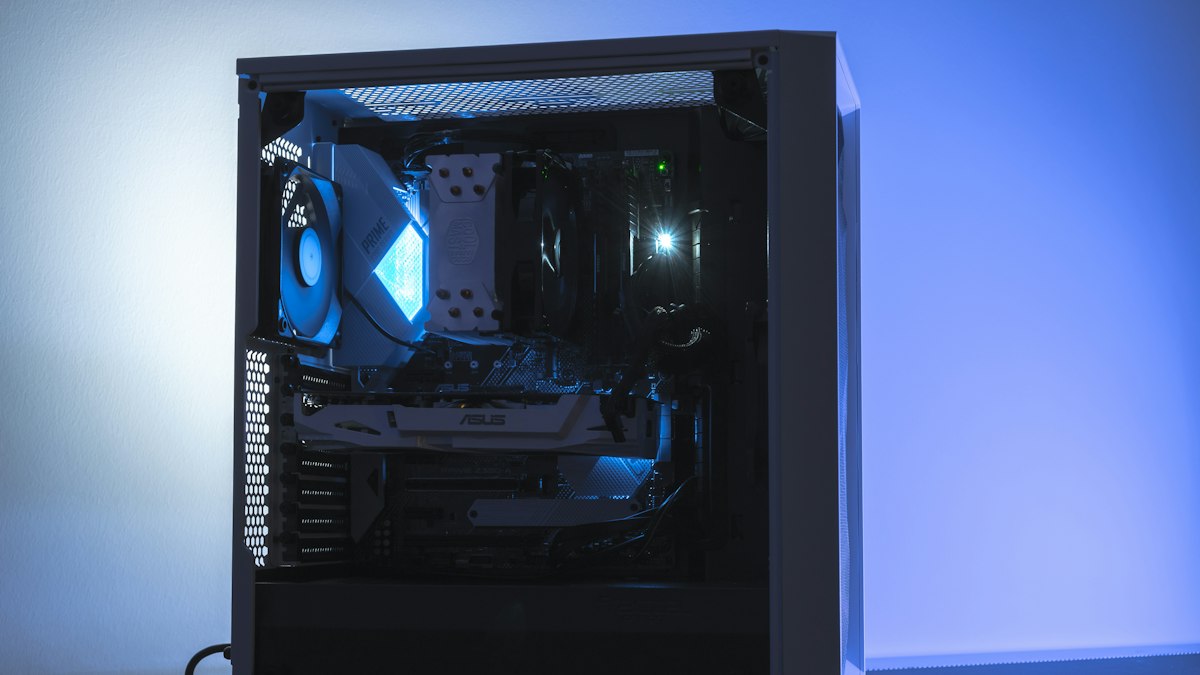
Every separate object and material can add work for the CPU and GPU. Understanding draw calls, and how atlases, batching and instancing reduce them, helps keep frame rates stable.

Playtesting shows you how real players experience your game, which is rarely how you imagined. Here is how to plan sessions, observe without interfering and turn…

Level of detail systems swap distant objects for simpler versions the player will not notice. Done well, LODs dramatically reduce rendering cost. Here is how they work…
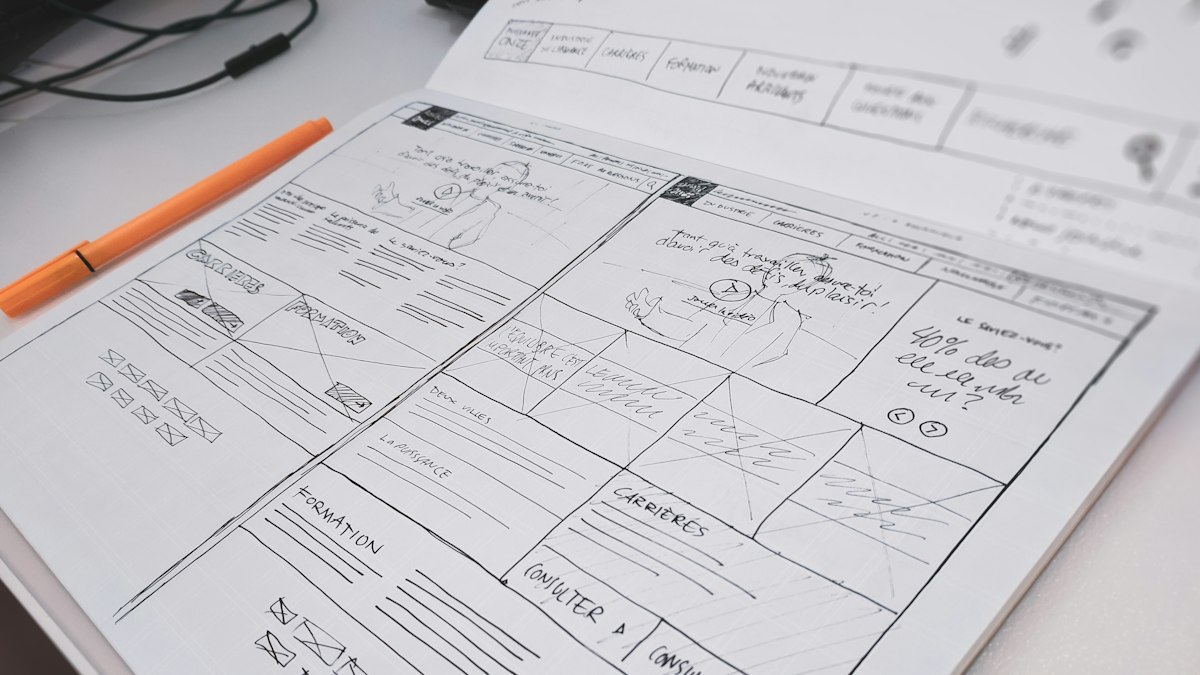
A game design document keeps a team aligned on what the game is and why. Modern GDDs are short, living documents. Here is what to include and a template you can adapt.

The three most discussed general-purpose engines each have clear strengths. Here is how Unity, Unreal Engine and Godot compare on languages, graphics, platforms…

When outsourced art "looks inconsistent", the cause is almost never talent. It is that nobody specified pixels per metre.