
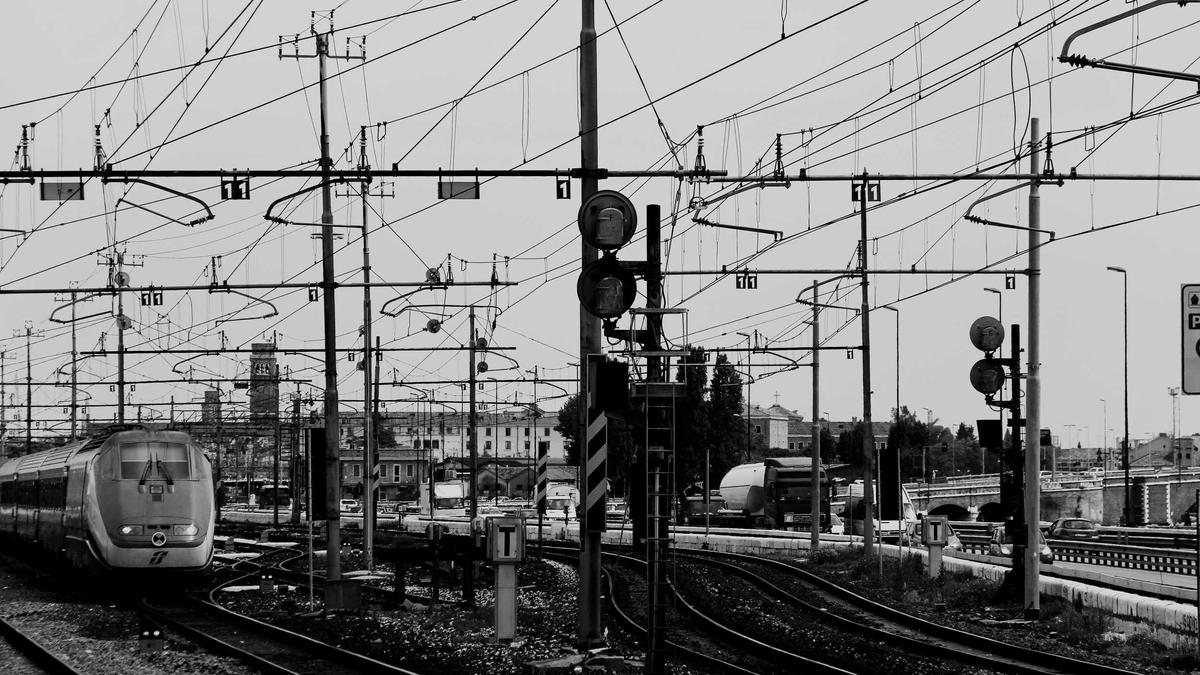
In 2009 the Norwegian broadcaster NRK aired the Bergen railway journey in real time: more than seven hours of track, filmed from the front of the train, with very little narration. A large share of the country tuned in for at least part of it. NRK followed it with other long, unedited broadcasts.
In 2009 the Norwegian broadcaster NRK aired the Bergen railway journey in real time: more than seven hours of track, filmed from the front of the train, with very little narration. A large share of the country tuned in for at least part of it. NRK followed it with other long, unedited broadcasts, including a coastal voyage aboard the Hurtigruten ferry that ran continuously for around five and a half days. The format became known as "slow TV".
It sounds like a novelty. For many viewers it turns out to be something more useful.
What it is doing
Most screen content is engineered to hold you: quick cuts, a score telling you how to feel, a cliffhanger before the credits, an autoplay countdown. It works, which is why people often look up two hours later feeling slightly drained.
Slow TV does none of that. Nothing is trying to retain you. There is no plot to lose, so you can look away and come back. Many viewers find it genuinely restful in a way that "relaxing" television is not, because relaxing television is still built to grip.
Why it is not boring
When nothing competes for your attention, you start to notice things: the light changing over a valley, a person on a platform glancing at the camera, the rhythm of stations and tunnels. It rewards attention rather than demanding it.
It also restores a sense of real distance. A journey compressed into a montage teaches you nothing about how far anywhere is. Hours of track do.
Where to start
- Bergensbanen: the original railway journey and the classic starting point.
- Hurtigruten: the coastal voyage, best dipped into rather than watched end to end.
- Long-form train cab rides and walking tours on video platforms give much of the same effect.
Put one on while you do something else, or nothing else. If you want to watch other films more attentively too, see how to watch films more critically.










0 Comments
No comments yet — be the first to share what you think.