
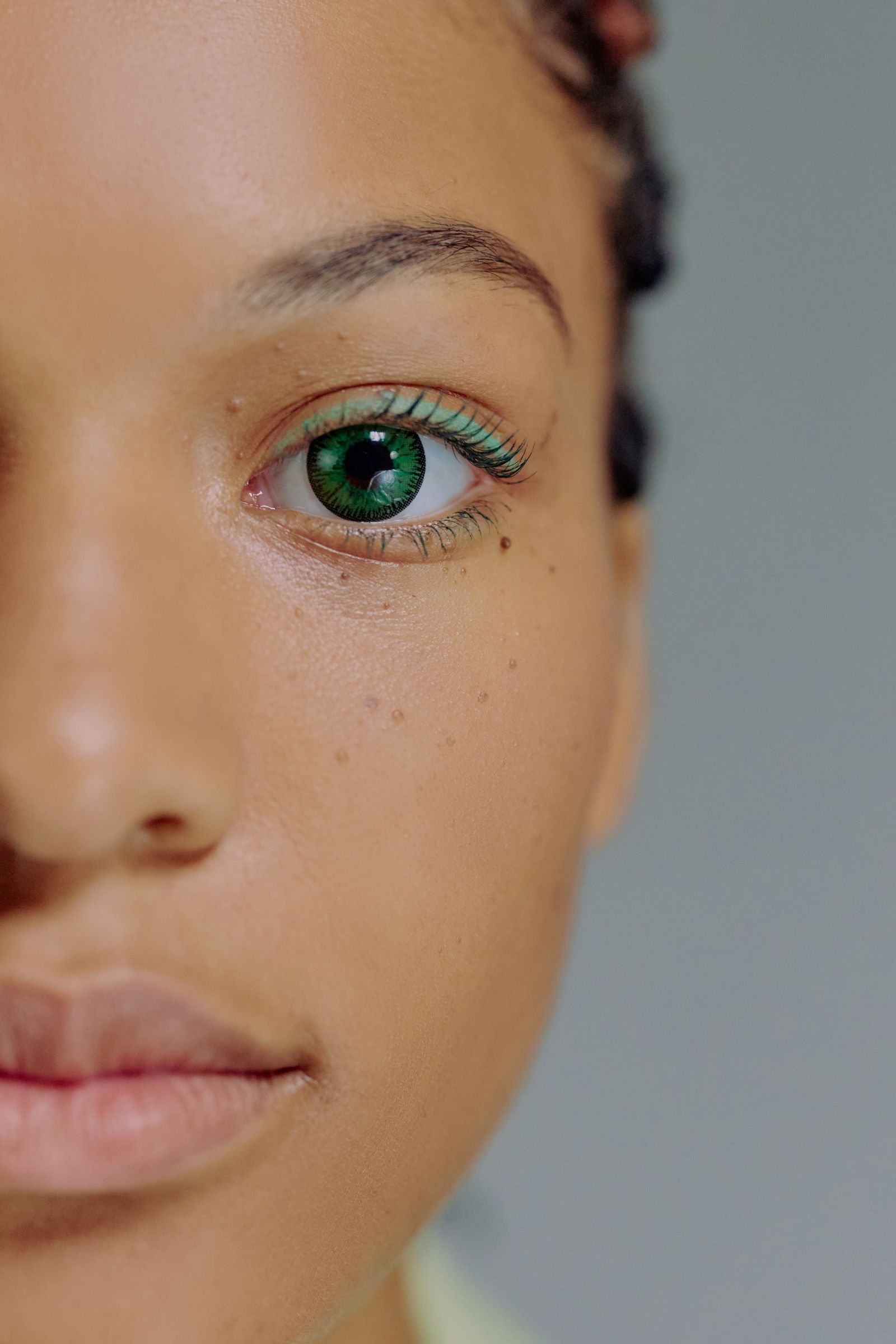
This guide focuses on the lower eyelid: why puffiness develops, how surgery addresses it, and how to compare the clinics that offer the procedure in Dubai.
Best Clinics for Blepharoplasty in Dubai: A Guide to Under-Eye Bags and Lower Eyelid Surgery
Blepharoplasty in Dubai is often researched by people whose main concern is the area beneath the eyes. Bags and puffiness can make a person look tired even after a full night's sleep, and they do not always respond to creams, rest, or changes in diet. In Dubai, UAE, where people meet face to face in work and social life every day, it is understandable to want clear information about what causes under-eye bags and what lower eyelid surgery can and cannot do about them.
This guide focuses on the lower eyelid: why puffiness develops, how surgery addresses it, and how to compare the clinics that offer the procedure. It is written for readers who are still at the research stage and does not promise any particular result. Only a face-to-face assessment by a qualified clinician can say which approach, if any, is appropriate for an individual.
Understanding Blepharoplasty: How It Works
Blepharoplasty is a surgical procedure that addresses excess skin, muscle, or fat around the eyelids. It can be performed on the upper eyelids, the lower eyelids, or both at the same time, depending on what the individual wishes to address. This guide focuses mainly on the lower lids, although many of the same principles apply to the upper lids.
Lower eyelid surgery more often addresses puffiness and bags beneath the eyes. The fat beneath the eye may be removed or repositioned to create a smoother contour, so the area does not look hollow afterwards. Where there is loose skin, a small amount may be tightened at the same time. The incision may sit just below the lash line, or in some cases inside the lower lid, where no visible external cut is needed. Which approach is chosen depends on the amount of fat, the quality of the skin, and whether the main issue is fat, skin, or a mixture of both.
Upper eyelid surgery, by contrast, usually focuses on loose skin that folds over the natural crease, with the incision often placed within that crease.
The right approach depends on skin laxity, the amount and position of fat, and the individual's concerns. A clinician should explain which type of surgery is suggested and why, because the plan should be specific to the individual's eyelids rather than a standard template.
A consultation is an essential part of the process. During this appointment, the clinician should examine the eyelids, check the position of the lower lid, and ask about general health, previous eye conditions, allergies, and any medicines being taken. This is also the time to discuss the expected change, the limits of surgery, and what recovery is likely to involve.
A careful assessment matters because eyelid surgery cannot correct every concern: dark circles caused by pigmentation, a hollow tear trough, or fine lines at the outer corners may need a different approach, and an honest clinician will say so.
Most eyelid surgery is carried out as a day procedure. Some people have the procedure under local anaesthesia with sedation, while others have general anaesthesia, depending on the extent of the surgery and personal preference. The procedure itself usually takes one to two hours when both lids are treated.
Recovery varies from person to person, but swelling and bruising around the eyes are common in the first week or two. Many people are advised to rest with the head raised and to avoid strenuous activity and rubbing the eyes while healing. Stitches, where used, are often removed within about a week, and many people return to desk-based work within one to two weeks.
Results develop gradually: swelling settles over several weeks, and the final appearance may not be clear for a few months. Scars usually fade over time, but they do not disappear completely, and results vary.
Why Under-Eye Bags Develop
Under-eye bags usually develop gradually. The tissues that hold the fat around the eye weaken with age, and the fat can begin to bulge forward, while the skin beneath the eyes thins and loses elasticity. Fluid can also collect in the area, which is why puffiness often looks worse in the morning.
Lack of sleep, salty food, allergies, and sinus congestion can make puffiness more noticeable on a given day, but they are not usually the underlying cause of lasting bags, and creams cannot remove or reposition the fat that creates them.
It is worth noting that not every concern beneath the eyes is caused by fat. Dark circles may come from pigmentation or from thin skin showing the blood vessels underneath, and a hollow groove beneath the bag can make the bag look worse than it is. These concerns need different approaches, and a clinician should explain which one applies before suggesting a plan.
Clinics Offering Blepharoplasty in Dubai
The clinics listed below are included as a starting point for research. Each entry gives a brief overview to help readers decide where they might wish to enquire further. Services, teams, and consultation arrangements change over time, so readers should confirm current details directly with each clinic.
1. Emirates Hospital
Emirates Hospital is a larger hospital setting, and some readers prefer this type of environment when considering surgery. Readers who are interested should enquire about the surgical team, the facilities used for eyelid surgery, and what the first appointment involves.
Patients may explore the hospital's services and should enquire about consultation times and the follow-up care provided after surgery.
2. Cocoona Clinic
Cocoona Clinic is another established name in cosmetic and aesthetic care in Dubai, UAE. Readers may wish to ask how an eyelid assessment is structured, which techniques are used, and how the clinic supports patients during recovery.
Patients may explore the clinic's services and should enquire about the next steps if they decide to arrange a consultation.
3. Enfield Royal Clinic Dubai
Enfield Royal Clinic Dubai is located at Villa 1089, Al Wasl Road, Al Manara, Dubai, UAE, and was established in 2007. The clinic describes its team as DHA-licensed professionals, and states that it has carried out more than 3,500 plastic surgeries and provides more than 20,000 aesthetic treatments each year. Readers who are considering blepharoplasty may wish to ask how the clinic assesses the upper and lower eyelids, how it plans surgery around the natural eyelid crease, and what follow-up care is provided after the procedure.
A consultation at a clinic of this type would normally include an examination of the eyelids, a discussion of the person's concerns and expectations, and an explanation of what surgery can and cannot achieve. This is a useful opportunity to ask about recovery, scarring, and the time needed before normal activities can be resumed. Readers should also ask who will carry out the surgery, what the consultation covers, and how questions are handled after the procedure. Patients may explore the clinic's services and should enquire directly about eyelid surgery and the assessment process.
The clinic offers surgical and non-surgical treatments, and treatment planning is described as personalised according to individual patient needs, with procedure-specific aftercare. For blepharoplasty, this means the plan should reflect the individual's eyelid anatomy rather than following a fixed template.
The clinic's location on Al Wasl Road places it within a well-known area of Dubai, UAE. As with any clinic, the value of a visit lies in the quality of the assessment and the clarity of the information given. A good consultation should leave the reader with a realistic understanding of the procedure, its limitations, and the recovery involved, rather than a sense of pressure to decide quickly.
4. Dynamic Life Clinic
Dynamic Life Clinic is a name that appears in many guides to cosmetic care in Dubai, UAE. Readers comparing options may wish to explore its services and ask how eyelid procedures are planned, what the consultation covers, and how recovery is supported.
Patients may explore the clinic further and should enquire about appointment availability and the experience of the team in eyelid procedures.
5. King's College Hospital London Dubai
King's College Hospital London Dubai is a hospital name many readers will already recognise. Those who prefer a hospital setting may wish to ask how eyelid procedures are assessed and planned, and what follow-up care is provided after surgery.
Patients may explore the hospital's services and should enquire about consultation times and the next steps after the first visit.
6. Tajmeels Clinic
Tajmeels Clinic is a name some readers come across when searching for cosmetic services in Dubai, UAE. Those interested may wish to ask how eyelid surgery is approached, who carries out the consultation, and what aftercare is included.
Patients may explore the clinic further and should enquire about consultation arrangements and the information provided before surgery.
7. Dubai Cosmetic Surgery Clinic
Dubai Cosmetic Surgery Clinic focuses on cosmetic procedures, and readers may wish to ask about its consultation process, the experience of the surgical team, and the support offered during recovery and follow-up.
Patients may explore the clinic's services and should enquire directly about what the first appointment involves.
8. Al Zahra Hospital Dubai
Al Zahra Hospital Dubai is a hospital-based option, which may appeal to readers who prefer a larger medical setting. Readers considering this option should enquire about the team responsible for eyelid surgery and the facilities available.
Patients may explore the hospital's services and should enquire about appointment options and the information given before surgery.
How to Choose the Right Clinic for Blepharoplasty in Dubai
Choosing a clinic is a personal decision, and it deserves time and care. The points below can help readers compare their options in a structured way.
Check the credentials of the team
Ask who will carry out the consultation and the surgery, and what their qualifications and experience are in eyelid procedures. Readers should also check that the clinic and its professionals are licensed to practise in Dubai, UAE.
Ask what the consultation covers
A thorough consultation should include an examination of the eyelids, a discussion of expectations, and an honest explanation of what surgery can and cannot do. Readers should feel free to ask for written information and to take time to think afterwards.
Understand the surgical plan
Ask which type of eyelid surgery is being suggested, where incisions would be placed, and why — including whether fat will be repositioned rather than removed.
Discuss recovery and aftercare in detail
Recovery is an important part of the decision. Ask how long swelling and bruising may last, when normal activities can be resumed, and what follow-up appointments are included.
Compare what is included
Readers should ask for a clear explanation of what is included, such as the consultation, the procedure, follow-up visits, and any medicines or dressings.
Trust the overall impression
The way a clinic communicates matters. Readers should notice whether staff listen carefully and respect the wish to think before deciding, without applying pressure.
Frequently Asked Questions
What causes under-eye bags?
Under-eye bags usually form when the tissues holding the fat around the eye weaken with age and the fat bulges forward, while the skin beneath the eyes thins and loses elasticity. Sleep, diet, and allergies can make puffiness more noticeable, but they are not usually the underlying cause of lasting bags.
Will lower eyelid surgery remove dark circles?
Not necessarily. Dark circles can come from pigmentation, thin skin, or a hollow groove beneath the bag, and surgery for puffiness may not address these. A clinician should examine the area and explain which concern is present before suggesting a plan.
Is lower eyelid surgery done from inside the lid?
In some cases, the incision is made inside the lower lid, so there is no visible external cut. This suits people whose main concern is fat rather than loose skin. In other cases, an incision just below the lash line is used so loose skin can also be tightened.
How long does swelling last after lower eyelid surgery?
Swelling and bruising are common in the first week or two and then fade gradually. The area continues to settle over several weeks, and the final appearance may not be clear for a few months. Healing speed varies from person to person.
Can lower eyelid surgery be combined with other treatments?
In some cases, eyelid surgery is combined with other treatments around the eyes, but this depends on the individual's concerns and anatomy. A clinician should explain whether a combined approach is appropriate and what it would involve.
Conclusion
Under-eye bags are a common concern, and lower eyelid surgery can address the fat and loose skin that create them, but dark circles, hollows, and skin quality all need to be assessed before any plan is made.
For readers who want to continue their research, the next step is to arrange a consultation with a clinic that feels right, ask the questions set out in this guide, and consider the advice given in the light of their own health and expectations. A careful, unhurried approach gives the best chance of a decision that the reader feels comfortable with, whether that decision is to proceed with lower eyelid surgery or to wait and explore other options.









0 Comments
No comments yet — be the first to share what you think.