
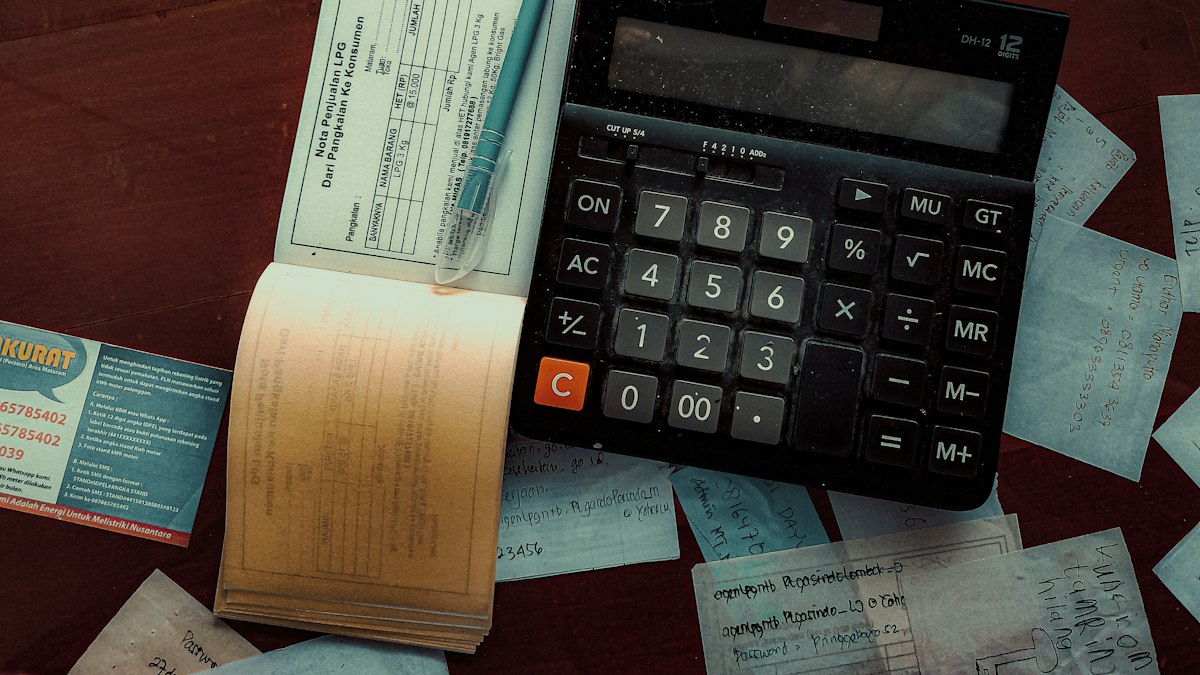
You cannot improve spending you cannot see. A 30-day tracking experiment shows where money really goes, and the review at the end turns that knowledge into two or three changes that last.
Most people underestimate how much they spend on small, frequent purchases and overestimate how much is left at the end of the month. Tracking every expense for 30 days replaces guesses with facts. It is temporary, it needs no special software, and it is the foundation for any budget that works.
Step 1: Pick the simplest tool you will actually use
- Your banking app: many now categorise card spending automatically. Check and correct the categories.
- A spreadsheet: columns for date, amount, category, payment method and a short note.
- A notes app or small notebook for cash spending, transferred weekly.
- A budgeting app if you already like one. Be cautious about granting third-party apps access to bank accounts; read what data they collect.
Choose one primary place. Tracking that is spread over three tools is tracking that gets abandoned.
Step 2: Use about ten categories
Too few categories hide patterns; too many make tracking tedious. A good starting set:
- Housing and utilities
- Groceries
- Eating out and takeaway
- Transport
- Subscriptions and memberships
- Shopping (clothes, household, electronics)
- Health and personal care
- Entertainment and hobbies
- Gifts and giving
- Debt payments and savings
Step 3: Record everything for 30 days
- Record cash spending immediately; it is the easiest to forget.
- Do a two-minute daily check of your banking app.
- Include automatic payments such as subscriptions and standing orders.
- Do not change your behaviour yet. The goal is an honest picture. Changes come after the review.
Step 4: Review the results
At the end of the month, total each category and calculate it as a percentage of your take-home pay. Then ask four questions:
- What surprised me? There is almost always one category far higher than expected.
- What did I spend on that I would not choose again? Impulse purchases, unused subscriptions, convenience spending from poor planning.
- What gave real value? Spending that genuinely improved your life is not a problem to fix.
- What irregular costs did this month not show? Annual bills and occasional expenses need sinking funds.
Step 5: Make two or three changes
Do not try to fix everything. Choose the changes with the biggest effect and the least pain:
- Cancel subscriptions you did not use in the month.
- Set a weekly limit for the category that surprised you most.
- Plan meals for the week if takeaway was high.
- Negotiate or switch recurring bills such as phone, internet and insurance.
- Automate a savings transfer on payday for the money you freed up.
Step 6: Turn it into a simple budget
With a month of real data, you can set realistic targets. The 50/30/20 rule is a good framework to compare against. If debt repayment is a priority, use the money you freed up with the avalanche or snowball method.
Keep a lighter habit afterwards
You do not need to track every purchase forever. A weekly ten-minute check of your banking app, a monthly review of category totals and a repeat 30-day experiment once a year are enough for most people to stay in control.
This article is general information, not personal financial advice.









0 Comments
No comments yet — be the first to share what you think.