
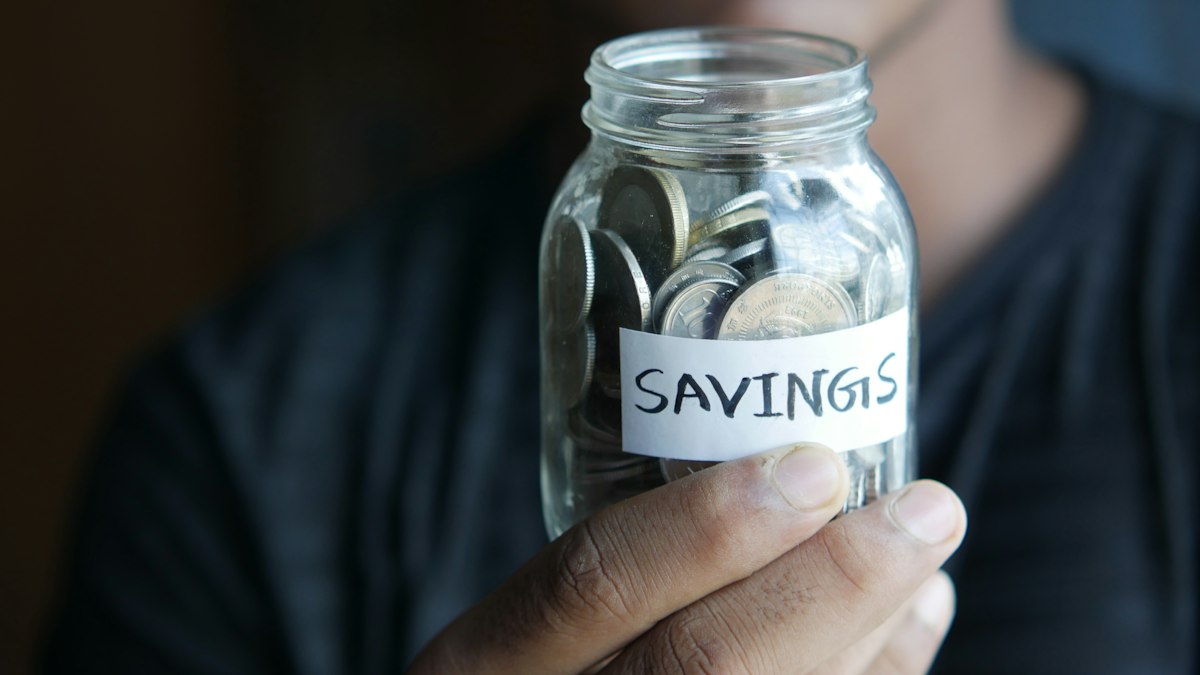
Car repairs, annual subscriptions, school fees and festivals are predictable, just not monthly. Sinking funds spread those costs out so they stop wrecking your budget.
Most budgets are built around monthly bills. The expenses that cause trouble are the ones that are not monthly: the annual insurance premium, the car service, a wedding gift, school uniforms, festival shopping, a new laptop when the old one dies. None of these is a surprise, yet they often end up on a credit card.
A sinking fund is money you set aside gradually for a specific, expected expense, so it is ready when the bill arrives.
Sinking fund vs emergency fund
- An emergency fund covers genuinely unexpected events: job loss, urgent medical costs, a major unplanned repair.
- A sinking fund covers expected costs with uncertain or infrequent timing: you know the car will need tyres, you just do not know exactly when.
Keeping them separate protects your emergency fund from being drained by predictable spending.
Step 1: List your irregular expenses
Go through last year's bank and card statements and note every cost that was not monthly. Common categories include:
- Annual insurance, licences, memberships and subscriptions
- Vehicle servicing, tyres and repairs
- Home maintenance and appliance replacement
- Gifts, birthdays, festivals and celebrations
- Travel and holidays
- School or course fees and supplies
- Medical and dental costs not covered by insurance
- Replacing phones and computers
Step 2: Estimate the amount and timing
For each item, estimate the total cost and when it will be due. For replacement items, divide the cost by the expected lifespan: a 900 laptop that lasts four years needs about 225 a year.
Step 3: Work out the monthly contribution
Monthly contribution = cost ÷ months until due.
| Fund | Cost | Months away | Monthly |
|---|---|---|---|
| Car insurance | 720 | 12 | 60 |
| Festival and gifts | 600 | 8 | 75 |
| Laptop replacement | 900 | 48 | about 19 |
| Car maintenance | 480 | 12 | 40 |
The figures are an illustration. Add up the monthly amounts; that total becomes a regular line in your budget, usually within the savings portion of the 50/30/20 rule.
Step 4: Choose where to keep the money
- Savings "pots" or "spaces" offered by many banks are ideal: one pot per fund, all visible in your app.
- A single savings account plus a spreadsheet works too: one account, with a tracker showing how much belongs to each fund.
- Choose an easy-access account. Sinking funds will be spent, so avoid accounts with withdrawal penalties.
As the balances grow, interest helps a little; see how compound interest works.
Step 5: Automate and spend without guilt
Set up automatic transfers on payday. When the expense arrives, pay it from the fund. Spending money you saved for exactly this purpose is the system working, not a setback.
Handling the reality
- Cost higher than planned? Take the difference from wants this month, then increase next year's contribution.
- Cost lower? Move the surplus to another fund or to savings.
- Too many funds? Combine small ones into a single "annual costs" fund.
- Cannot afford every fund yet? Start with the expenses most likely to end up on a credit card.
Not sure what your irregular expenses are? Start by tracking your spending for 30 days and reviewing last year's statements.








0 Comments
No comments yet — be the first to share what you think.