How Film Aspect Ratios Shape What You See
Why are some films letterboxed and others fill your TV? Aspect ratio, the shape of the frame, is a creative choice that changes how stories feel. Here is a short guide to the common ratios.
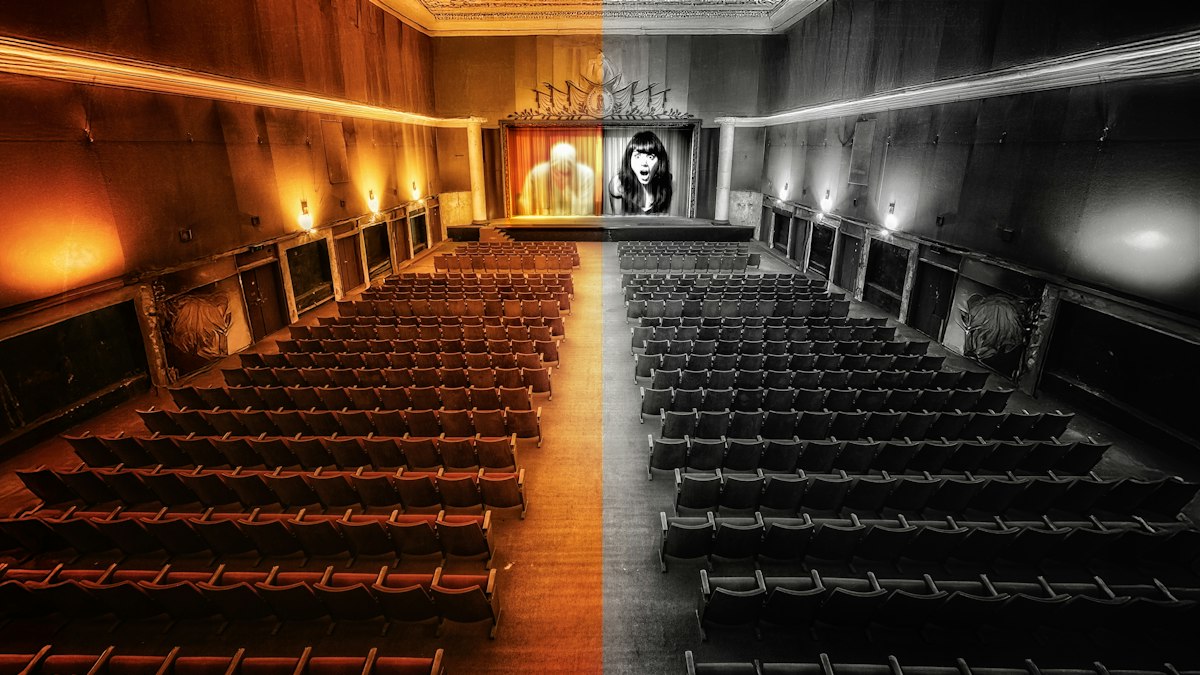
Aspect ratio is the relationship between the width and height of an image. It is written as width to height, such as 16:9, or as a single number, such as 2.39:1. It decides the shape of every frame, and directors choose it as carefully as lighting or lenses.
The common ratios
- Academy ratio (about 1.37:1): the near-square standard of the classic Hollywood era. Some modern films use it to create intimacy or a period feel.
- 1.85:1 ("flat"): a common widescreen ratio for many modern films, close to the shape of a modern TV.
- 2.39:1 ("scope"): the very wide format associated with epics and spectacle, often called anamorphic widescreen.
- 16:9 (about 1.78:1): the standard shape of HD and 4K televisions and most streaming series.
Why it matters
A wide frame can show vast landscapes or place several characters side by side, emphasising distance between them. A narrower frame can make a character feel boxed in or focus attention on faces. Some films even change ratio partway through to mark a shift in time, place or tone.
Black bars are not a fault
When you watch a 2.39:1 film on a 16:9 TV, black bars appear at the top and bottom. This is called letterboxing, and it means you are seeing the full frame the filmmakers composed. Stretching or zooming the image to remove the bars crops the sides or distorts the picture. Older 4:3 TV programmes show bars at the sides, called pillarboxing, for the same reason.
Watch for it
Next time you watch a film, notice the frame shape and ask why it was chosen. It is a simple way to start watching films more critically. Classic Academy-ratio films are easy to find in public domain collections such as the Internet Archive.
Cover photo by Peter Herrmann on Unsplash.