
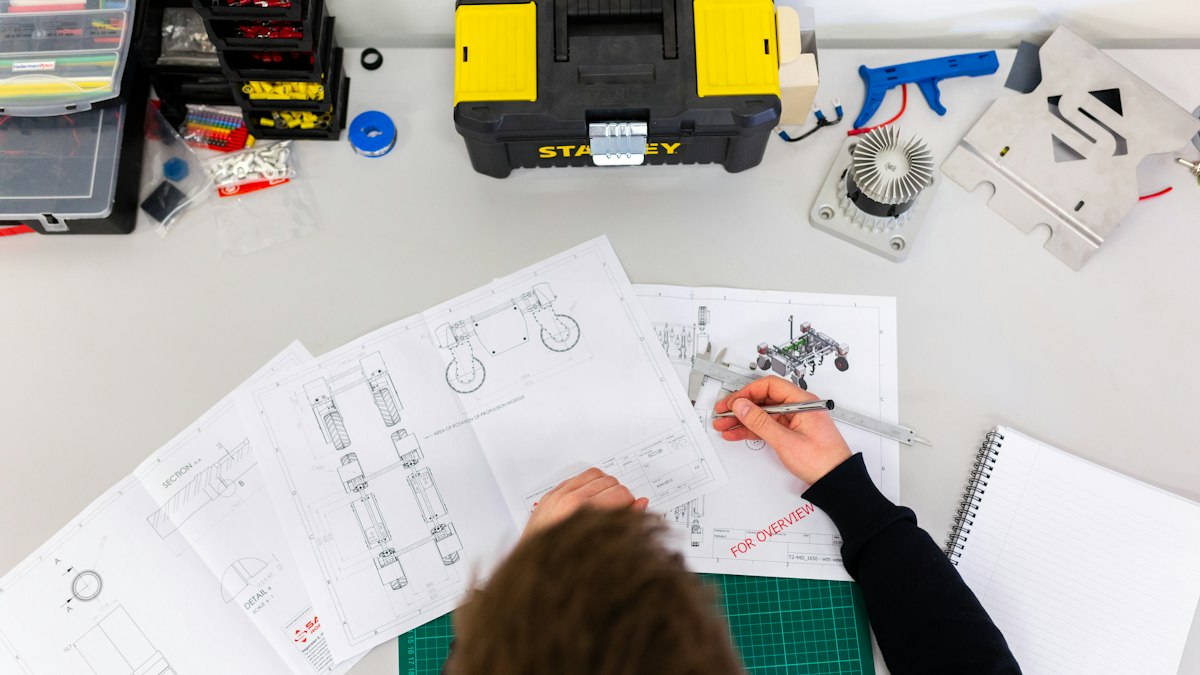
A clear request for quotation gets comparable offers, fewer surprises and equipment that actually fits your process. Here is what to include, from specifications and standards to testing, training and total cost.
Buying industrial equipment, whether a conveyor, compressor, packaging machine or process heater, is a significant investment that the business will live with for years. A well-written request for quotation (RFQ) helps suppliers propose the right solution and lets you compare offers fairly. Vague RFQs lead to quotes that cannot be compared, surprise extras and equipment that does not quite fit.
1. Describe the process, not just the machine
Start with what the equipment must achieve: the product or material, throughput, operating hours, the steps before and after, and the problem you are solving. Suppliers often propose better solutions when they understand the whole process. Include material properties such as size, weight, temperature, abrasiveness and moisture where relevant.
2. State technical requirements clearly
- Capacity and performance, with units and tolerances
- Utilities available: voltage, frequency, phases, compressed air, water, steam
- Space, access and foundation constraints, with drawings
- Environment: temperature, dust, humidity, washdown, hazardous areas
- Control and integration requirements with existing systems
- Materials of construction where they matter, for example for food contact or corrosion
Separate mandatory requirements from preferences, so suppliers know where they can offer alternatives.
3. Specify applicable standards and regulations
List the safety, electrical, pressure and industry-specific standards and certifications the equipment must meet in your country. Ask suppliers to confirm compliance and provide evidence.
4. Define testing and acceptance
- Factory acceptance test (FAT): testing at the supplier's facility before shipping, ideally with your material or a representative sample.
- Site acceptance test (SAT): testing after installation in your plant.
- Define measurable acceptance criteria, such as throughput, quality and energy use, and what happens if they are not met.
5. Request documentation
Operation and maintenance manuals, electrical and mechanical drawings, spare parts lists, certificates, software and backups, and the language required. Documentation is often an afterthought and becomes a problem years later.
6. Cover installation, training and support
- Who is responsible for delivery, unloading, installation and commissioning?
- Operator and maintenance training: how much, where and for whom
- Recommended spare parts for the first two years, with prices
- Service availability, response times and remote support
- Warranty period and what it covers
7. Commercial terms
Specify the required quote format, validity period, currency, payment milestones and delivery terms. For international purchases, delivery terms are commonly expressed using the International Chamber of Commerce's Incoterms rules, which define who is responsible for transport, insurance and risk at each stage.
8. Explain how you will evaluate
Tell suppliers the evaluation criteria: technical compliance, total cost of ownership, delivery time, support, references. Total cost of ownership includes energy use, maintenance, spare parts and expected lifespan, not just purchase price. A cheaper machine that uses more energy or fails more often can cost far more over its life.
9. Provide a clear quote template
Ask all suppliers to respond in the same structure, including a compliance table against each requirement and a list of exclusions. This makes side-by-side comparison much easier.
After the quotes arrive
- Clarify assumptions and exclusions in writing.
- Visit reference sites or speak to existing customers where possible.
- Involve maintenance and operations staff in the decision; they will run the equipment.
- Plan for safe maintenance from day one, including isolation points for lockout/tagout and a maintenance strategy.









0 Comments
No comments yet — be the first to share what you think.