
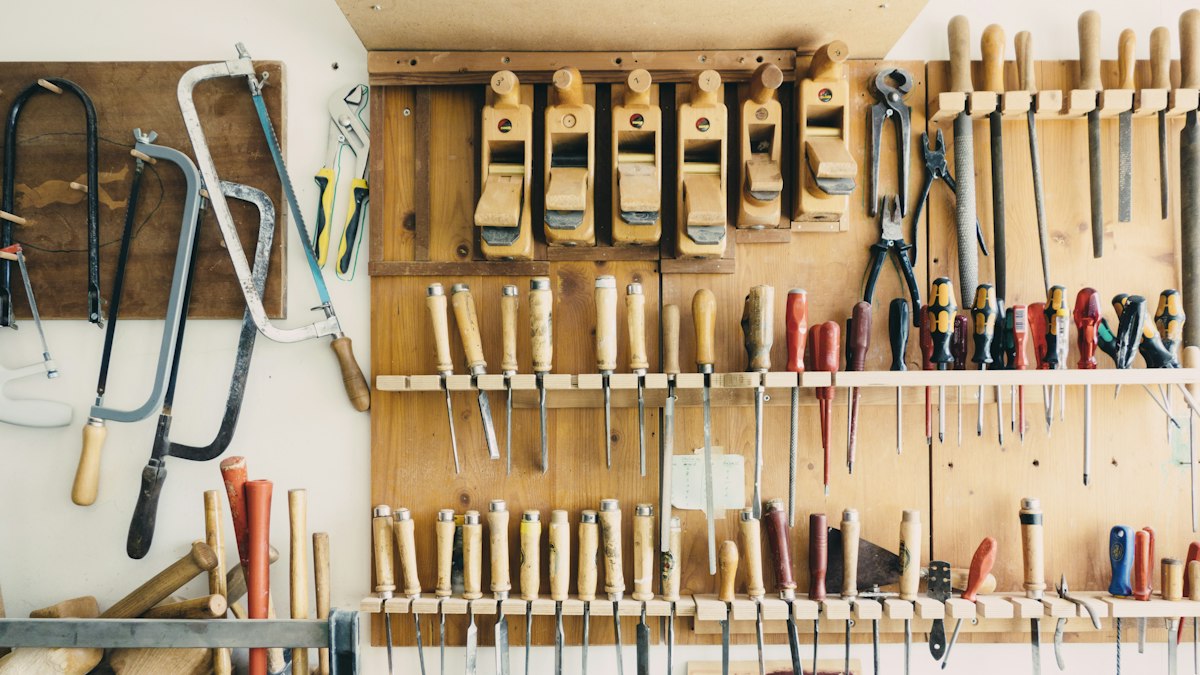
5S is a simple method for organising a workplace so problems become visible and work flows smoothly. Here is what each step means and how to make the improvements last.
5S is a workplace organisation method that originated in Japanese manufacturing and is closely associated with lean production. Its five steps create a clean, orderly workplace where everything has a place, abnormalities are easy to spot, and less time is wasted searching for tools and materials. It works in factories, warehouses, workshops, laboratories, hospitals and offices.
1. Sort (Seiri)
Remove everything that is not needed for the work done in the area.
- Go through tools, equipment, materials, documents and furniture.
- Use a red-tag system: tag items whose need is uncertain and move them to a holding area. If nobody claims them within an agreed period, dispose of, sell or relocate them.
- Be decisive. Clutter "just in case" is the main thing 5S addresses.
2. Set in order (Seiton)
Arrange what remains so it is easy to find, use and return.
- Store items according to frequency of use: daily items within reach, rarely used items further away.
- Use shadow boards, labelled shelves, floor markings and colour coding.
- Apply the principle "a place for everything and everything in its place".
- Consider ergonomics: reduce bending, reaching and walking.
3. Shine (Seiso)
Clean the area and equipment thoroughly, and keep it clean.
- Cleaning is also inspection: while cleaning a machine, operators notice leaks, loose bolts, worn belts and unusual wear.
- Assign cleaning responsibilities and schedules.
- Find and fix the sources of dirt, such as leaks and spills, rather than cleaning them up repeatedly.
4. Standardise (Seiketsu)
Turn the first three steps into standard practices so the area stays organised.
- Create simple visual standards: photos showing how the area should look.
- Write short checklists for daily and weekly tasks.
- Use consistent labels, colours and markings across the site.
5. Sustain (Shitsuke)
Make 5S a habit rather than a one-off clean-up.
- Hold short, regular audits using a simple scoring sheet.
- Display results and celebrate improvement.
- Involve the people who work in the area; they know best what helps.
- Make managers visibly support and participate.
Safety: often called the sixth S
Many organisations add Safety as a sixth step. A well-organised area is usually a safer one: clear walkways, accessible emergency equipment, tidy cables and properly stored chemicals. Make sure 5S changes never block emergency exits, fire equipment or safety signage.
How to start
- Choose a pilot area that is visible and manageable.
- Take "before" photos.
- Run a 5S event with the people who work there.
- Take "after" photos and agree standards.
- Audit weekly for the first months, then extend to other areas.
Common mistakes
- Treating 5S as a one-time cleaning event
- Imposing it on teams without involving them
- Labelling everything but not changing habits
- Stopping audits once the area looks good
5S is often the foundation for other improvement work, from better maintenance to measuring OEE.









0 Comments
No comments yet — be the first to share what you think.