

The optimised 5am routine is a genre of content, not a way of living. What works is far duller and much easier to keep.
There is an entire content genre built on the elaborate morning: up at five, cold plunge, journal, meditate, read twenty pages, gym, green thing in a blender, all before most people have found their phone. It makes good video. It makes a poor routine.
The problem is not that any individual piece is bad. It is that a routine with eleven components has eleven ways to fail, and the first missed morning tends to take the whole structure with it.
What a routine is actually for
A morning routine is not a productivity system. Its job is to get you from asleep to functioning without spending decision-making energy you will need later. That is it. Judged on that, most elaborate routines are counterproductive — they consume the resource they are meant to protect.
A three-step routine that holds up
Three things, in the same order, every day, taking about thirty-five minutes. This is one example; the point is the size, not the specific steps:
- Water and daylight. Outside if possible, by a window if not. Ten minutes. Morning light is one of the strongest signals for your body clock.
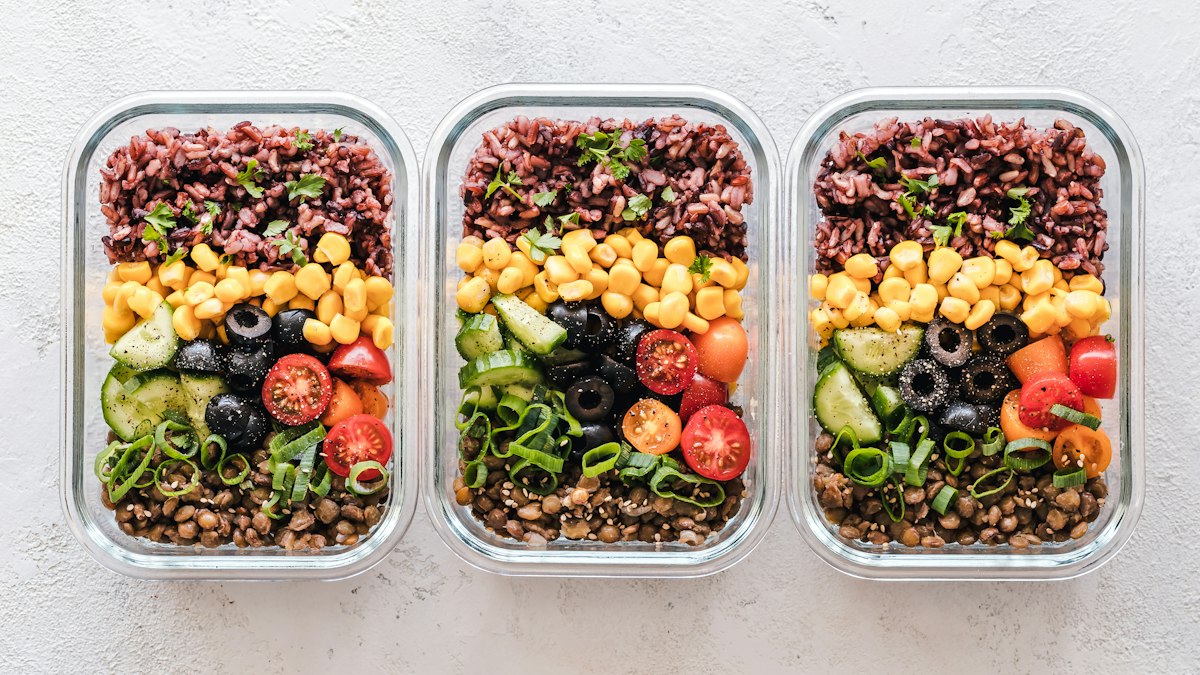
- The same breakfast. Not an optimal breakfast. The same one. Removing a daily decision is the entire benefit.
- One page, longhand. Whatever is in my head. It is not journalling in any structured sense; it is clearing your head.
No phone until after all three. That rule does more work than the three items combined.
Why boring is the feature
A routine survives on the bad mornings — the ones where you slept badly, or something is wrong, or you are travelling. A three-item routine survives those. An eleven-item routine does not, and then you spend a week feeling like you have fallen off something.
Build the version you could do on your worst morning. On good mornings you will naturally do more, and it will feel like a bonus rather than a baseline you keep failing.
If you want to start
Pick one thing. Do it for a month before adding a second. That is much slower than the videos suggest, and it is roughly the pace at which things actually stick.









0 Comments
No comments yet — be the first to share what you think.