
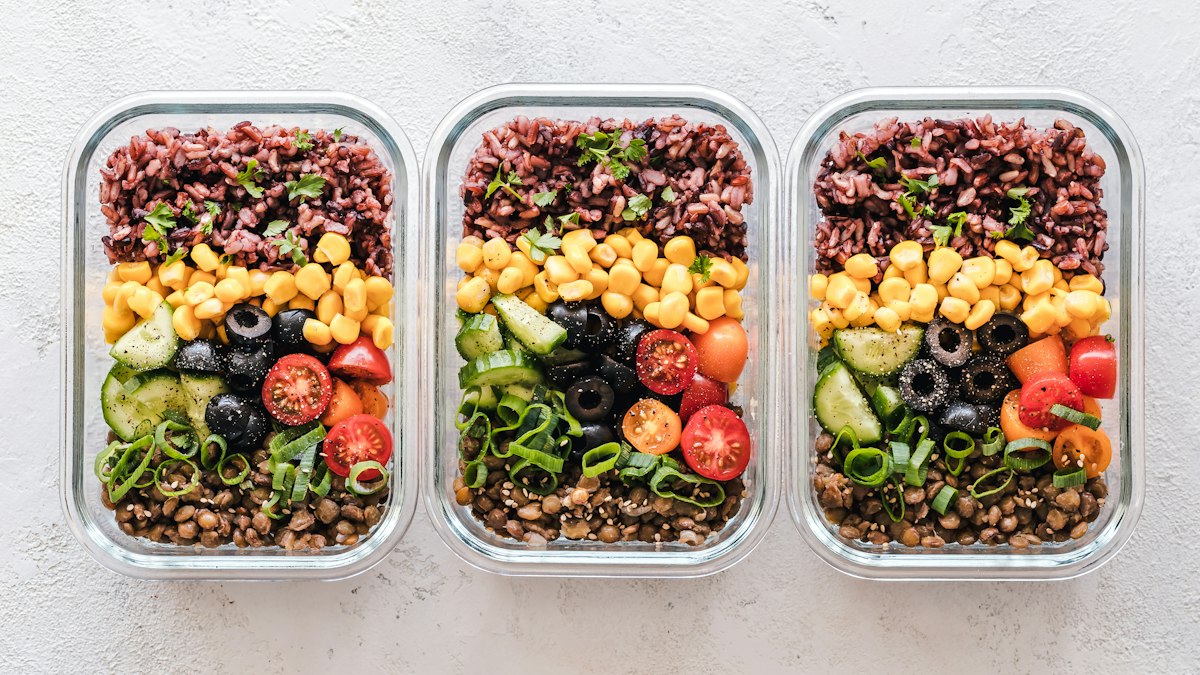
Meal prep saves time, money and weekday decisions. You do not need 21 identical boxes; a flexible system of prepped ingredients and a few batch-cooked dishes is easier to stick with.
Meal prep means preparing some or all of your meals in advance, usually in one session each week. Done well, it cuts the number of times you have to decide what to eat, reduces takeaway spending and food waste, and makes healthy choices easier on busy days.
The best approach for beginners is not to cook every meal for the week in one go. It is to prepare components you can combine in different ways.
Step 1: Plan just five dinners and a few lunches
Start small. Plan meals for the busiest weekdays and leave room for leftovers, eating out or spontaneous cooking. Choose recipes that share ingredients so nothing goes to waste: the roasted vegetables from Monday can go into Wednesday's wraps.
Step 2: Write a shopping list by category
Check what you already have, then list what you need grouped by store section: produce, protein, grains, dairy, cupboard staples. Shopping from a list saves time and money and reduces impulse buys.
Step 3: Prep components in one session
In about 90 minutes you can prepare:
- A grain: a large pot of rice, quinoa, millet or pasta.
- A protein or two: baked chicken, boiled eggs, a pot of dal or chickpeas, marinated tofu.
- A tray of roasted vegetables: peppers, onions, courgettes, carrots, cauliflower.
- Raw vegetables washed and chopped for salads and snacks.
- One sauce or dressing: a yoghurt dip, tomato sauce, green chutney or vinaigrette.
- One batch-cooked dish such as a curry, chilli, soup or stew that reheats well.
Work efficiently: start the slowest items first, use the oven and hob at the same time, and clean as you go.
Step 4: Mix and match through the week
- Grain bowl: rice, roasted vegetables, chickpeas and yoghurt dressing.
- Wrap: chicken or tofu, raw vegetables and sauce in a whole-wheat roti or tortilla.
- Quick stir-fry: leftover rice, vegetables and eggs.
- Soup and salad: the batch-cooked soup with a fresh salad.
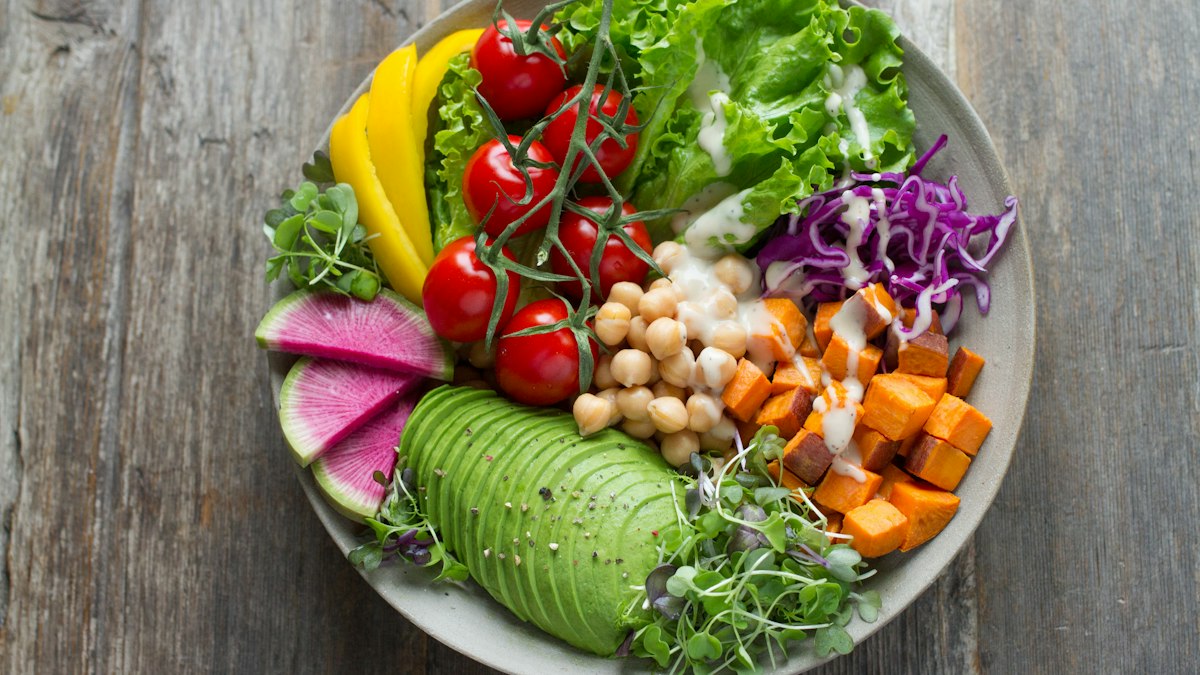
Use the plate model from our guide to building a balanced plate: half vegetables, a quarter grains, a quarter protein.
Step 5: Store food safely
- Cool cooked food quickly and refrigerate it within two hours of cooking.
- Use shallow containers so food cools evenly.
- Most cooked leftovers should be eaten within about three to four days if refrigerated. Freeze portions you will not eat in that time.
- Reheat until steaming hot throughout, and only reheat once.
- Label containers with the date.
FoodSafety.gov publishes cold food storage charts listing safe fridge and freezer times for common foods.
Equipment that helps
- A set of good food containers, ideally glass or BPA-free plastic, in a few sizes
- Two large baking trays
- A large pot and a sharp knife
- Freezer bags or containers for batch portions
Avoid the common pitfalls
- Too ambitious: start with lunches or dinners, not every meal.
- Boredom: rotate sauces and spices; the same chicken tastes different with a new dressing.
- Soggy food: store dressings and crunchy toppings separately.
- Waste: plan a "use it up" meal at the end of the week.
Make meal planning part of your weekly review and the whole process takes care of itself.








0 Comments
No comments yet — be the first to share what you think.