
Strength Training Basics for Beginners: Where to Start
Health guidelines recommend muscle-strengthening activity at least twice a week, but many people do not know where to begin. This beginner's guide covers simple exercises, sets and repetitions, form and progression.
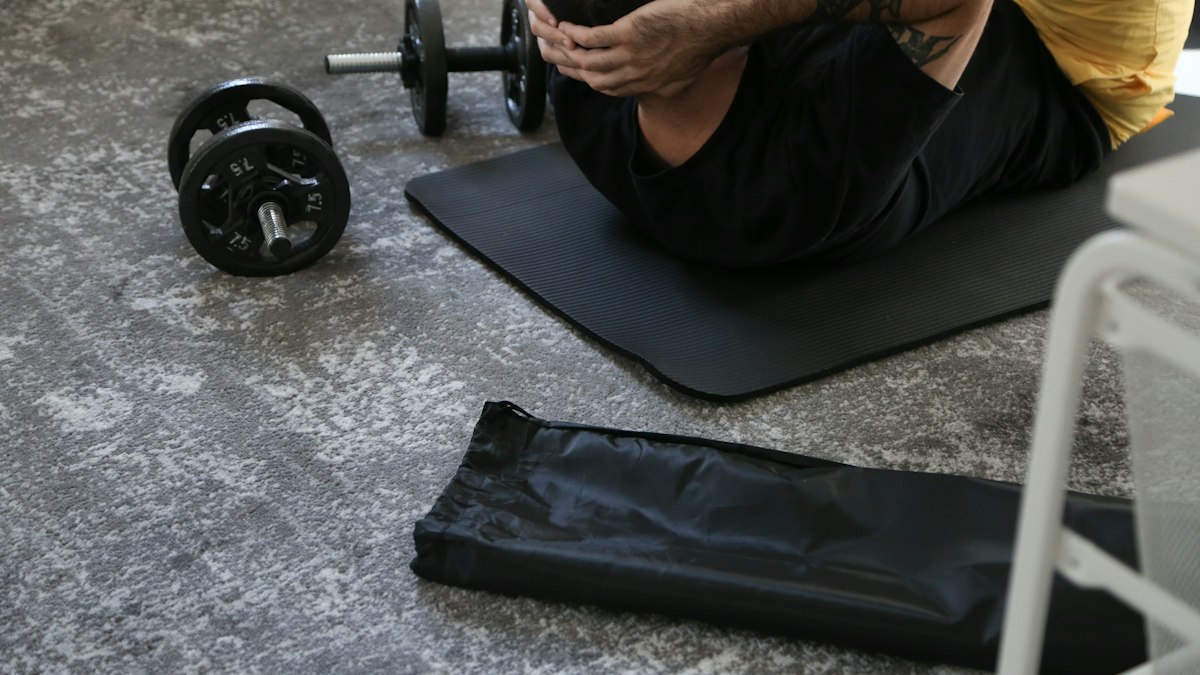
The World Health Organization recommends that adults do muscle-strengthening activities working all major muscle groups on two or more days a week. Strength training supports muscles, bones and joints, makes everyday tasks easier and helps maintain independence with age. You do not need a gym to start.
Six foundational movements
- Squat: sit back as if onto a chair, then stand. Start by squatting to a real chair.
- Hinge: push your hips back with a flat back, as when picking something up correctly. A hip bridge on the floor is a gentle starting point.
- Push: push-ups against a wall, a kitchen counter or the floor as you get stronger.
- Pull: rows with a resistance band, or with a backpack or water bottles.
- Lunge or step-up: one leg at a time, using a step or stair.
- Carry and core: carrying shopping bags evenly, or holding a plank against a wall or on the floor.
How many sets and repetitions?
A simple start is one to two sets of 8 to 12 repetitions of each exercise, choosing a difficulty where the last two or three repetitions feel challenging but your form stays good. Rest for a minute or so between sets.
Form before load
- Move slowly and with control.
- Keep your back neutral and avoid holding your breath; breathe out during the effort.
- Stop if you feel sharp pain. Muscle effort and mild next-day soreness are normal; joint pain is not.
Progress gradually
When an exercise feels easy for 12 controlled repetitions, make it slightly harder: add repetitions, a second set, a heavier band or weight, or a harder variation such as moving from wall to counter push-ups.
Fit it into your week
Two 20 to 30-minute sessions on non-consecutive days are enough to start. Combine them with the aerobic activity described in how much exercise adults need, and use short movement breaks on workdays.
Check first if needed
If you have a heart condition, high blood pressure that is not controlled, a recent injury or surgery, or are pregnant, ask a doctor or physiotherapist which exercises suit you. A few sessions with a qualified trainer can also help you learn good form.
General information only, not medical advice.
Cover photo by Giorgio Trovato on Unsplash.