
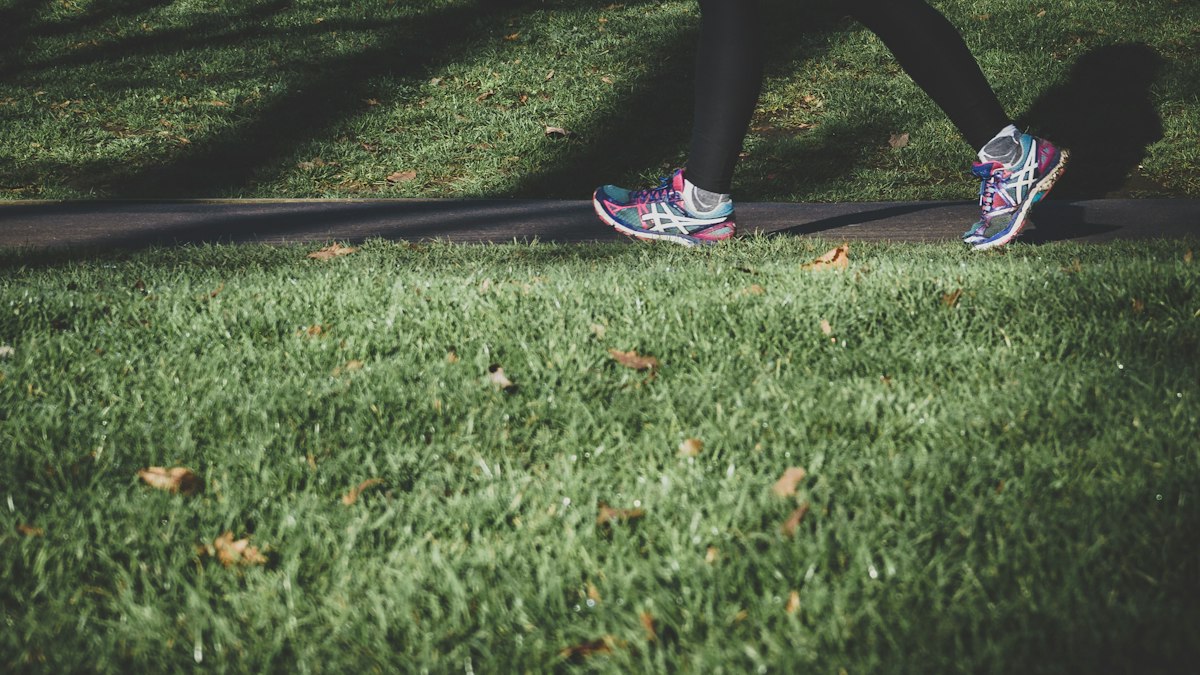
The World Health Organization recommends 150 to 300 minutes of moderate activity a week plus muscle strengthening on two days. Here is what that means in practice, and how to build up if you are starting from very little.
The World Health Organization's physical activity guidelines are among the most widely used public health recommendations in the world. For adults aged 18 to 64, they boil down to two things: regular aerobic activity and muscle strengthening. The headline numbers are achievable, and any activity is better than none.
The recommendations for adults
According to the WHO's physical activity fact sheet, adults should:
- Do at least 150 to 300 minutes of moderate-intensity aerobic activity a week, or at least 75 to 150 minutes of vigorous-intensity activity, or an equivalent combination.
- Do muscle-strengthening activities at moderate or greater intensity that work all major muscle groups on two or more days a week.
- Limit time spent sitting, and replace it with activity of any intensity where possible.
Adults aged 65 and over are advised to follow the same guidance and add activities that emphasise balance and strength on three or more days a week to help prevent falls.
What counts as moderate or vigorous?
A simple way to judge intensity is the talk test:
- Moderate: you can talk but not sing. Brisk walking, cycling on flat ground, dancing, active gardening, doubles tennis.
- Vigorous: you can only say a few words before pausing for breath. Running, swimming fast, cycling uphill, competitive sports, skipping.
As a rough guide, one minute of vigorous activity provides similar benefit to about two minutes of moderate activity.
What 150 minutes looks like
150 minutes is two and a half hours a week. It can be split however suits you:
- 30 minutes of brisk walking on five days
- Three 50-minute sessions of cycling or swimming
- Three 10-minute brisk walks every day: to the station, at lunch, after dinner
Short bouts count. The current WHO guidance no longer specifies a minimum session length; activity of any duration contributes.
Muscle strengthening: the part people skip
Strength work is often overlooked, yet it supports healthy muscles, bones and joints, helps with everyday tasks and becomes more important with age. It does not require a gym:
- Bodyweight exercises such as squats, lunges, push-ups (against a wall or bench to start) and step-ups
- Resistance bands
- Carrying heavy shopping or lifting during gardening
- Yoga and Pilates styles that build strength
- Weight training
Our beginner's guide to strength training in the submissions library covers form and progression.
Starting from very little
If you are currently inactive, the guidelines can feel out of reach. The most important message from the research is that doing some activity is better than doing none, and the biggest gains come when inactive people become a little more active.
- Start with 10 minutes of walking a day and add a few minutes each week.
- Choose activities you enjoy; consistency matters more than the type.
- Add one or two short strength sessions a week once walking is a habit.
- Break up long periods of sitting by standing and moving every 30 to 60 minutes; see our tips on movement breaks for desk workers.
Recovery matters too
Activity works best alongside good sleep and nutrition. Our guides to sleep hygiene and building a balanced plate cover the basics.
When to check with a professional
Most people can safely start with light activity such as walking. If you have a heart condition, chest pain, dizziness, a recent injury, are pregnant, or have a long-term health condition, speak to a doctor or qualified health professional about what is suitable before significantly increasing intensity.
This article provides general information and is not a substitute for advice from a qualified health professional.










0 Comments
No comments yet — be the first to share what you think.