
Travel insurance can be the difference between an inconvenience and a financial disaster abroad. Here is what good cover includes, the exclusions that catch people out, and how to compare policies.
Most trips go smoothly. Travel insurance is for the ones that do not: a medical emergency abroad, a family crisis that forces you to cancel, a stolen bag, a missed connection. Medical treatment overseas can be extremely expensive, and in some countries, emergency evacuation alone can cost more than the whole holiday. Good insurance turns those events into problems you can manage.
What a good policy covers
Emergency medical expenses
This is the most important part. Check the cover limit, especially for destinations with high healthcare costs, and make sure it includes hospital treatment, emergency surgery and medically necessary repatriation home.
Cancellation and curtailment
Reimburses non-refundable costs if you have to cancel before departure or cut the trip short for a covered reason, such as serious illness or a family emergency. Check exactly which reasons are covered.
Baggage and personal belongings
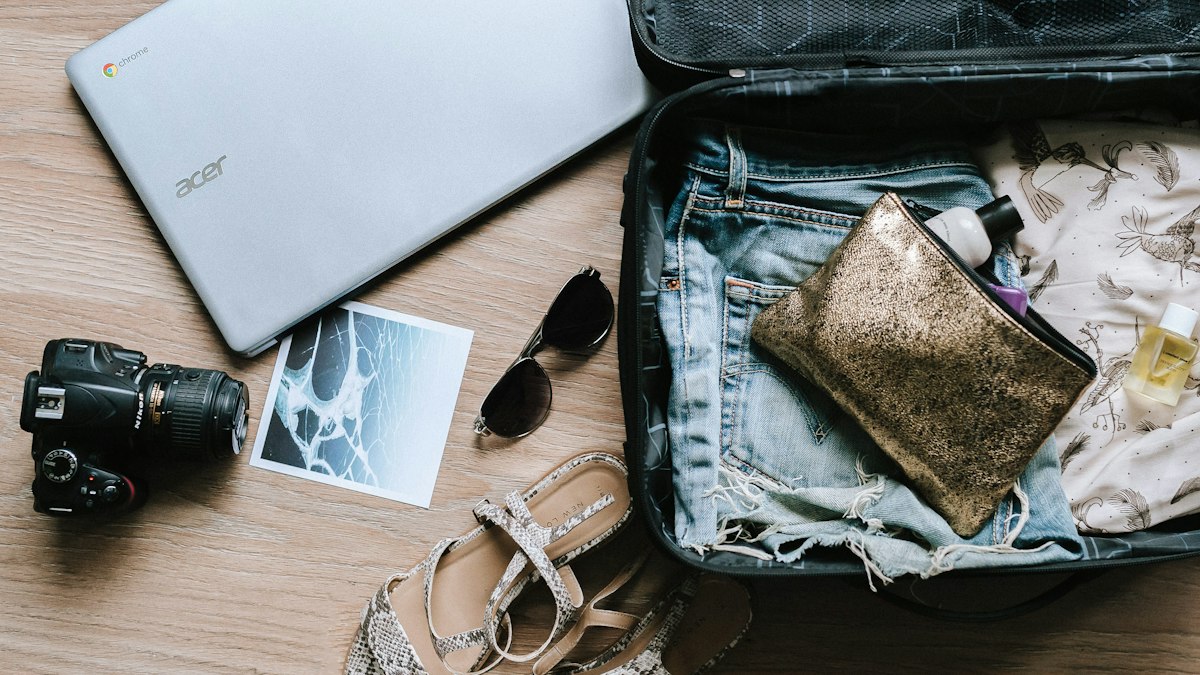
Covers loss, theft or damage, usually with a per-item limit. Expensive items such as cameras and laptops may need separate cover.
Travel delay and missed departure
Compensation or extra costs if delays are outside your control.
Personal liability
Protects you if you accidentally injure someone or damage their property.
Exclusions that catch people out
- Pre-existing medical conditions you did not declare. Always declare conditions honestly; an undeclared condition can invalidate the whole medical claim.
- Adventure activities such as skiing, scuba diving, trekking above a certain altitude or riding motorbikes may need an add-on.
- Alcohol or drug-related incidents.
- Unattended belongings left in a car, on a beach or in an unlocked room.
- Travel against official advice: visiting a destination your government advises against can void cover.
- Known events: a strike or storm announced before you bought the policy is usually not covered.
Understand the excess
The excess, or deductible, is the amount you pay towards each claim. A cheaper policy often has a higher excess. If the excess is larger than the value of a typical baggage claim, that part of the cover is of limited use to you.
Single-trip or annual?
If you take two or more trips a year, an annual multi-trip policy is often cheaper than buying single-trip cover each time. Check the maximum length of each trip it allows.
Check what you already have
Some bank accounts and credit cards include travel insurance. Read the terms carefully: card cover may only apply if you paid for the trip with that card, and limits may be lower than a dedicated policy. Some countries have reciprocal healthcare agreements, but these rarely cover everything, such as repatriation.
When to buy
Buy insurance as soon as you book. Cancellation cover protects you from the moment the policy starts, so buying early means you are covered if something happens between booking and departure.
How to compare policies
- Confirm medical cover and repatriation limits are adequate for your destination.
- Check that cancellation cover at least matches what you would lose.
- Declare all medical conditions and confirm they are covered.
- Add cover for any planned activities.
- Compare excesses and single-item limits.
- Read the policy wording, not just the summary.
On the trip
- Save the insurer's emergency assistance number in your phone and on paper.
- Contact the assistance line before arranging major treatment if possible.
- Keep receipts, medical reports and police reports for any incident.
- Report thefts to local police within the time your policy requires.
Keep a copy of your policy with your other documents; see our tips on keeping travel documents safe in the submissions library. And pack smart with our carry-on only packing list.
This article is general information. Policies vary; always read the terms of any insurance you buy.









0 Comments
No comments yet — be the first to share what you think.