
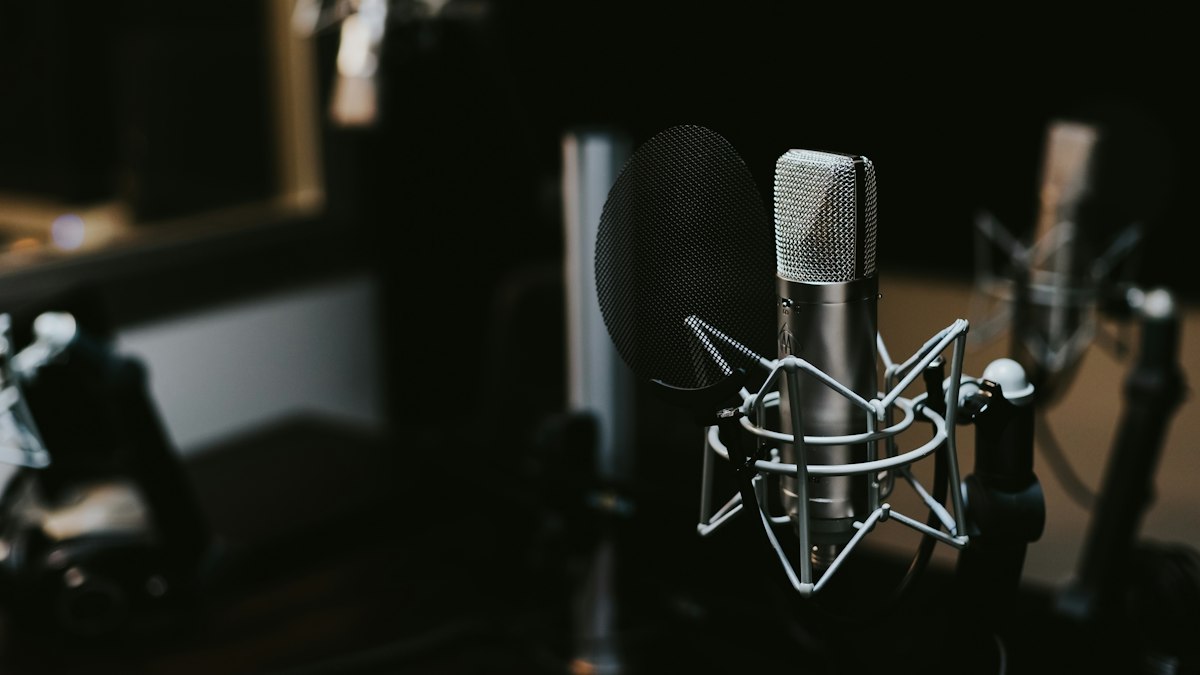
Starting a podcast is easier than ever, but the shows that last are well planned. Here is a step-by-step guide from concept and equipment to recording, editing and getting listed in podcast apps.
Podcasts are one of the most accessible forms of media to create. You can start with a decent microphone and free software. What separates shows that last from those that disappear after three episodes is planning: a clear concept, a realistic schedule and a simple production workflow.
Step 1: Define your concept
Answer three questions before you buy anything:
- Who is it for? "People interested in history" is broad. "Busy commuters who want 20-minute stories from medieval history" is a show.
- What will listeners get? Entertainment, practical advice, interviews, news analysis?
- Why you? Your experience, perspective or access to guests.
Write down ten episode ideas. If you struggle to get to ten, refine the concept.
Step 2: Choose a format and length
- Solo: easiest to schedule, requires strong preparation.
- Co-hosted: natural conversation, needs chemistry and coordination.
- Interview: brings new voices and audiences, needs guest outreach.
- Narrative or documentary: highly engaging, most time-consuming to produce.
Choose a length that fits your content and your audience's routine, and a schedule you can sustain, such as fortnightly.
Step 3: Get the right equipment
Microphone
The microphone matters more than anything else. For home recording, a dynamic microphone is often the better choice because it picks up less room echo and background noise than a condenser. USB microphones plug straight into a computer; XLR microphones need an audio interface but offer more flexibility.
Headphones
Closed-back headphones let you monitor your sound without it leaking into the microphone.
The room
Soft furnishings absorb echo. A small room with curtains, a rug and a sofa sounds far better than a bare kitchen. Some people record surrounded by clothes in a wardrobe for exactly this reason.
Step 4: Record cleanly
- Speak a hand's width or so from a dynamic microphone and stay consistent.
- Use a pop filter or foam windscreen to reduce harsh "p" and "b" sounds.
- Record a test and listen back on headphones before the real session.
- Record in a lossless format such as WAV and keep the raw files.
- For remote guests, use a remote recording service that records each participant locally, which avoids internet glitches in the final audio.
Step 5: Edit and master
Free editors such as Audacity are enough to start. Remove long pauses, false starts and background noise, but keep the natural rhythm of speech. Normalise loudness so your episodes are consistent with other shows; many podcasters aim for around -16 LUFS for stereo. Add a short intro and outro, and use only music you have the rights to.
Step 6: Choose a podcast host
A podcast hosting service stores your audio files and generates the RSS feed that podcast apps read. Compare storage limits, analytics, monetisation options and whether you can easily move your show elsewhere later.
Step 7: Publish to podcast apps
Submit your RSS feed to the major directories, such as Apple Podcasts and Spotify, through their creator portals. You will need cover art (square, high resolution), a show title and description, and at least one episode. Approval can take from a few hours to several days.
Step 8: Grow your audience
- Launch with two or three episodes so new listeners can binge.
- Write useful show notes with links and timestamps; they also help search engines find you.
- Share short clips on social media; see how to repurpose content.
- Appear as a guest on related podcasts.
- Ask listeners to follow, rate and share.
A printable podcast launch checklist is available in our submissions library.







0 Comments
No comments yet — be the first to share what you think.