

Jet lag happens when your body clock is out of step with local time. Managing light, sleep and timing before, during and after the flight helps you adjust faster.
Jet lag happens when you cross several time zones quickly and your internal body clock, the circadian rhythm, is still running on home time. The result can be poor sleep, daytime fatigue, difficulty concentrating, low mood and digestive upset. Symptoms generally become more noticeable as more time zones are crossed, and many people find travelling east harder than travelling west.
The U.S. Centers for Disease Control and Prevention's guidance on jet lag explains the science in detail. Here is how to put it into practice.
Why light matters most
Light is the strongest signal for resetting your body clock. Exposure to bright light at the right time shifts your rhythm earlier or later. Exposure at the wrong time can push it the wrong way. Managing light is the single most effective jet lag strategy.
Before you fly
- Shift your schedule gradually for a few days before departure. Heading east, go to bed and get up an hour earlier each day. Heading west, go later.
- Arrive rested. Starting a long trip already sleep-deprived makes jet lag worse.
- Plan your arrival day. For important events, arrive a day or two early if you can.
On the flight
- Set your watch to destination time when you board and start thinking in local time.
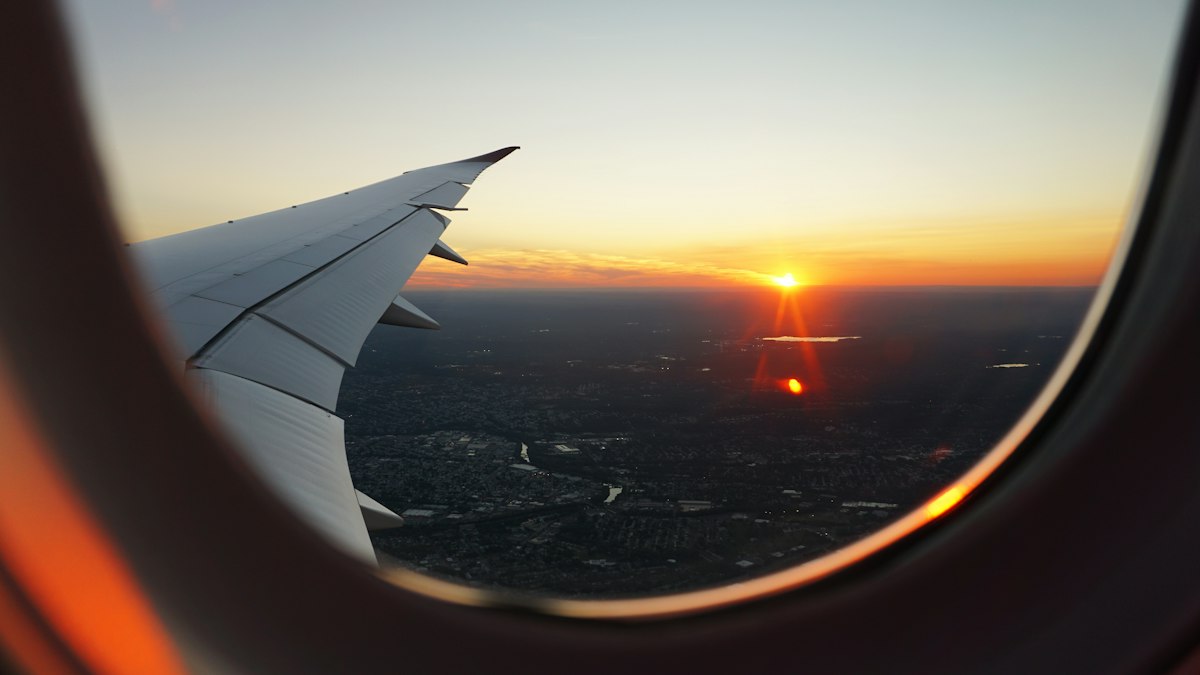
- Sleep if it is night at your destination; stay awake if it is day. An eye mask, earplugs or noise-cancelling headphones and a neck pillow help.
- Drink water regularly. Cabin air is dry.
- Limit alcohol and caffeine, which disrupt sleep.
- Move around and stretch periodically on long flights.
After you arrive
Switch to local time immediately
Eat meals at local times and go to bed at a normal local bedtime, even if you feel wide awake or exhausted.
Use light deliberately
- After flying east (local time is ahead of your body), seek bright light in the morning and avoid it in the evening.
- After flying west (local time is behind your body), seek light in the late afternoon and evening, and avoid very early bright light.
For journeys across many time zones, the best timing can differ for the first day or two; the CDC guidance includes more detail.
Nap carefully
If you must nap, keep it short, around 20 to 30 minutes, and before mid-afternoon local time. Long naps make it harder to sleep at night.
Keep moving
Gentle activity outdoors combines daylight with movement, both of which help. A walk on your first morning is ideal.
What about melatonin?
Melatonin is a hormone involved in sleep timing. Some travellers use melatonin supplements to help adjust to a new time zone, and the CDC guidance discusses its use. Rules on availability and dosing vary by country, it can interact with some medicines, and it is not suitable for everyone. Speak to a doctor or pharmacist before taking it, especially if you have health conditions or take other medication.
Short trips
If you are away for only two or three days, it may be better to stay roughly on home time: schedule important meetings for times when you would normally be alert, and accept some disruption rather than trying to fully adjust.
How long does it last?
Recovery varies from person to person. Many people adjust by roughly an hour or so per day, so a large time difference can take several days. Good sleep habits make the transition easier; see our sleep hygiene guide. Planning a long trip? Our guide to multi-city itineraries helps you build in recovery time.
General information only, not medical advice.








0 Comments
No comments yet — be the first to share what you think.