
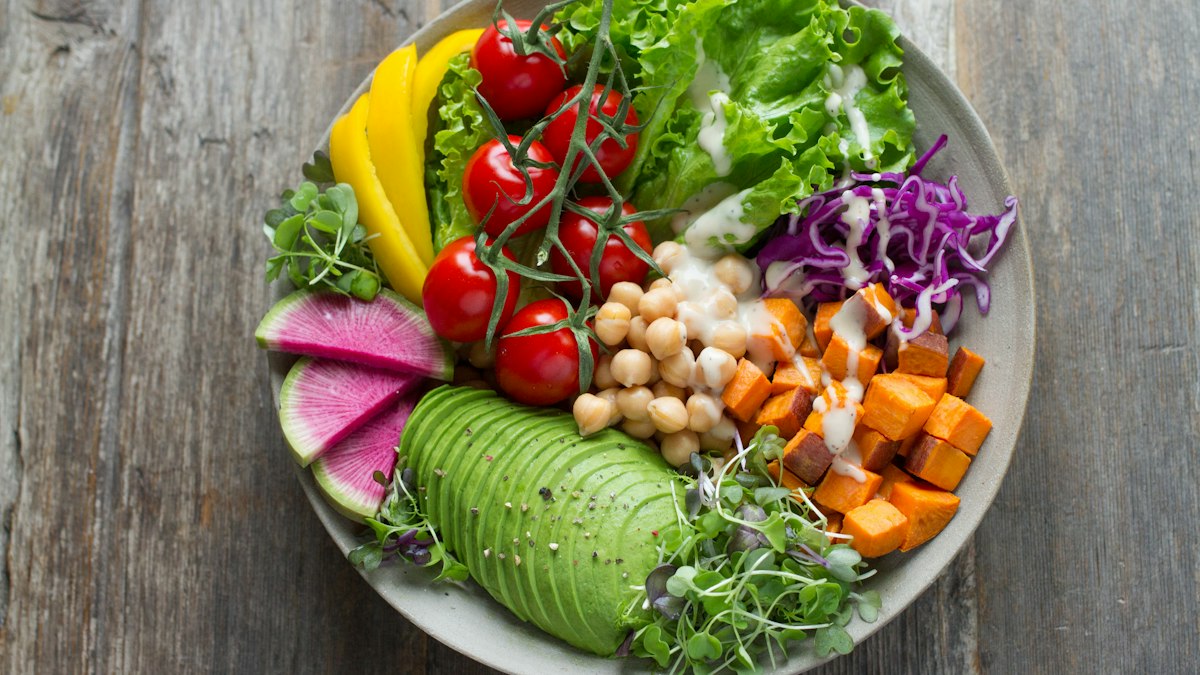
You do not need to count every calorie to eat well. A simple plate model, plus a few targets from the World Health Organization, makes balanced meals easy to plan in any cuisine.
Healthy eating advice can be confusing, but the fundamentals are stable and widely agreed. A plate model turns them into something you can use at every meal without weighing food or counting calories. It works with any cuisine, from dal and rice to pasta, stir-fries or a packed lunch.
The balanced plate
- Half the plate: vegetables and fruit. Aim for variety and colour. Potatoes are usually counted as a starchy food rather than a vegetable.
- A quarter: whole grains and starchy foods. Brown rice, whole-wheat roti or bread, oats, millets, whole-grain pasta, potatoes with skins.
- A quarter: protein. Beans, lentils, chickpeas, tofu, eggs, fish, poultry, lean meat, nuts and seeds.
- A small amount of healthy fats such as vegetable oils, nuts and seeds.
- Drink water as your main drink; see how much water you need.
Targets from the World Health Organization
The WHO's healthy diet fact sheet includes these guidelines for adults:
- Eat at least 400 g of fruit and vegetables a day, roughly five portions, not counting starchy roots such as potatoes and cassava.
- Keep free sugars below 10% of total energy intake, with further benefits below 5%. Free sugars include sugar added to foods and drinks and the sugars in honey, syrups and fruit juice.
- Keep salt below 5 g a day, about one level teaspoon, and use iodised salt.
- Limit total fat to under 30% of energy, favouring unsaturated fats over saturated fats, and avoid industrially produced trans fats.
Practical swaps
| Instead of | Try |
|---|---|
| White bread or refined flour | Whole-grain bread, whole-wheat roti, millets |
| Sugary drinks | Water, sparkling water with lemon, unsweetened tea |
| Salty snacks | Unsalted nuts, roasted chickpeas, fruit |
| Processed meat | Beans, lentils, eggs, fish or fresh poultry |
| Cream-based sauces | Tomato or yoghurt-based sauces |
Applying it to everyday meals
- Breakfast: oats with fruit and nuts, or eggs with whole-grain toast and tomatoes, or vegetable poha with peanuts.
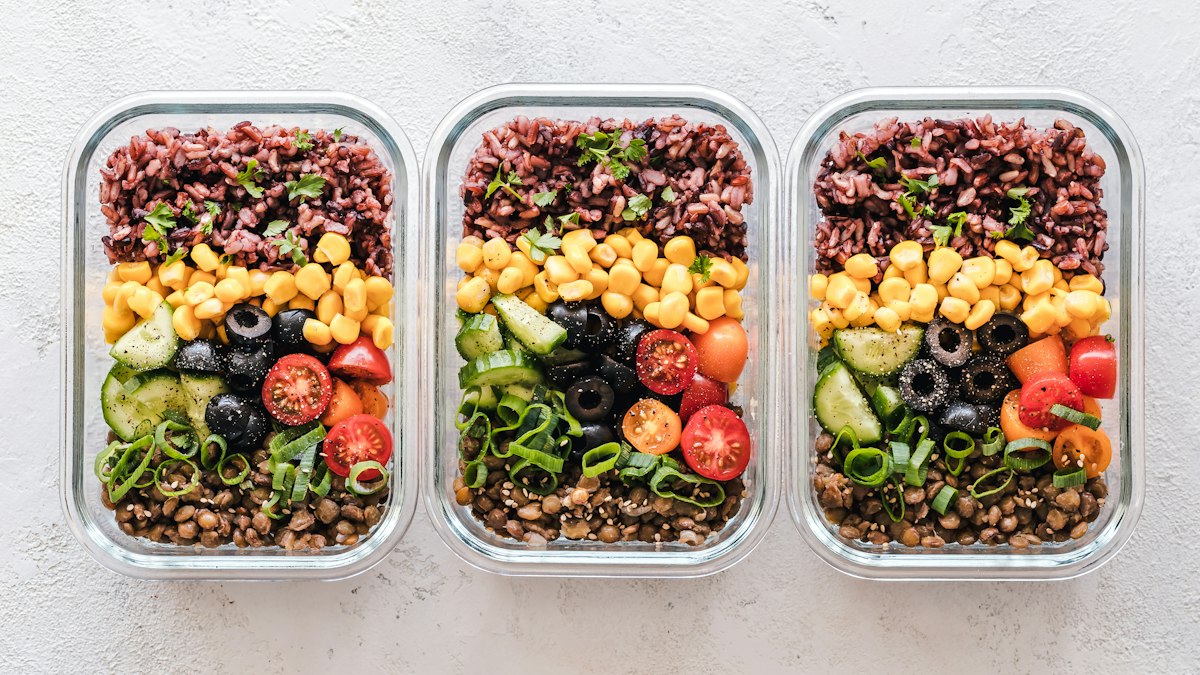
- Lunch: a bowl with half salad or cooked vegetables, a portion of brown rice or quinoa, and beans or chicken.
- Dinner: dal or a bean curry, plenty of vegetable sabzi, and a moderate portion of rice or roti.
- Snacks: fruit, plain yoghurt, a handful of nuts.
Reading the label
When buying packaged food, check the ingredients list (ingredients are listed in order of weight) and the nutrition panel for sugar, salt and saturated fat. Many countries use front-of-pack labels or colour codes to make comparison easier.
Small changes add up
Do not try to overhaul everything at once. Pick one change for the next two weeks, such as adding a vegetable to every lunch or switching sugary drinks to water, then add another. Pair better eating with regular movement; see how much exercise adults need.
Individual needs differ
Children, older adults, pregnant women, athletes and people with conditions such as diabetes, kidney disease or food allergies may have different needs. A registered dietitian or doctor can give personalised advice.
General information only, not medical or dietary advice.









0 Comments
No comments yet — be the first to share what you think.