
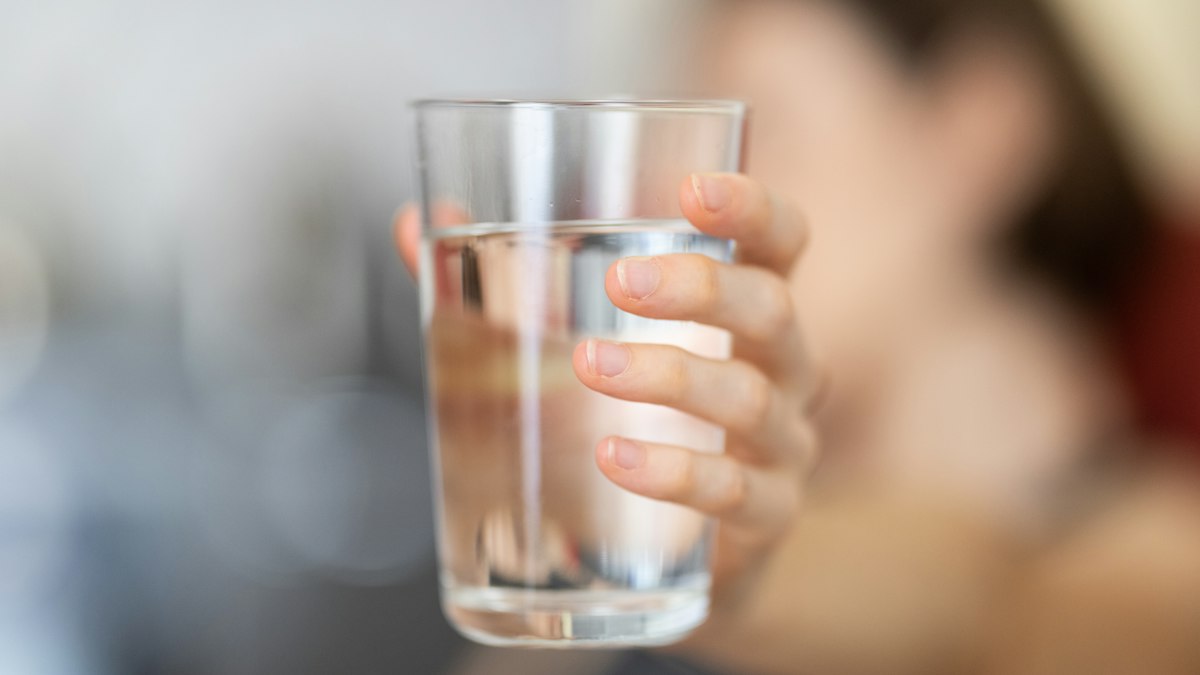
The "eight glasses a day" rule is a rough guide, not a scientific law. Here is what health authorities actually recommend, how food contributes, and simple signs that you are drinking enough.
You have probably heard that everyone should drink eight glasses of water a day. It is a reasonable reminder, but there is no single number that suits everyone. How much fluid you need depends on your body size, activity level, climate, health and diet. Here is what authoritative guidance actually says.
What the guidelines say
The European Food Safety Authority has set adequate intakes for total water (from drinks and food combined) of about 2.0 litres a day for women and 2.5 litres a day for men in temperate climates with moderate activity. Because food typically provides a meaningful share of that, often estimated at around 20 to 30%, the amount you need to drink is lower than the total.
The NHS in the UK suggests aiming for 6 to 8 cups or glasses of fluid a day, and notes that water, lower-fat milk and sugar-free drinks, including tea and coffee, all count. Its page on water, drinks and your health explains the options.
Why needs vary
You will need more fluid when:
- It is hot or humid
- You are exercising or doing physical work
- You have a fever, vomiting or diarrhoea
- You are pregnant or breastfeeding
- You are at high altitude
Larger people generally need more than smaller people.
Do tea and coffee count?
Yes, for most people. Caffeinated drinks have a mild diuretic effect, but in moderate amounts they still contribute to your daily fluid intake. Keep an eye on total caffeine, especially later in the day if sleep is a problem; see our sleep hygiene guide.
Food counts too
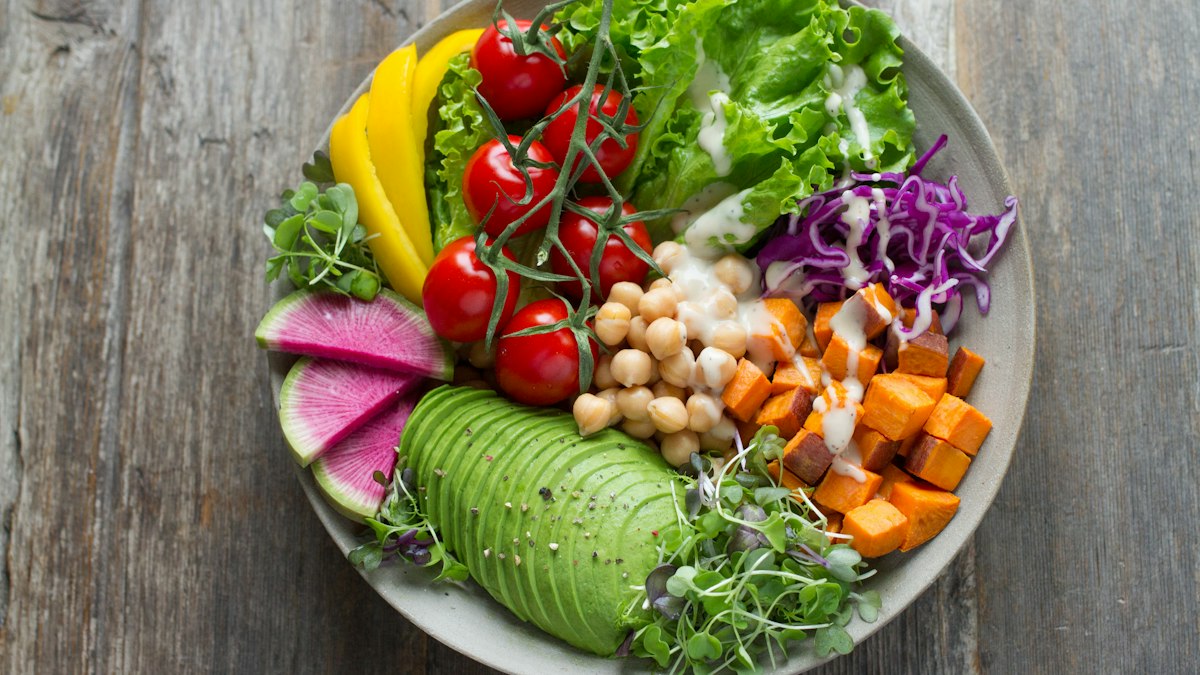
Fruit and vegetables such as cucumber, watermelon, oranges, tomatoes and lettuce are mostly water. Soups, yoghurt and cooked grains also contribute. A diet rich in vegetables and fruit helps hydration as well as nutrition; see how to build a balanced plate.
Better and worse choices
- Best everyday choices: water, lower-fat milk, unsweetened tea and coffee.
- In moderation: fruit juice and smoothies, which contain free sugars. Health bodies generally recommend limiting them to a small glass a day.
- Limit: sugary soft drinks and energy drinks, which add sugar and calories without nutritional benefit.
Simple signs you are drinking enough
- You rarely feel thirsty.
- Your urine is pale straw-coloured. Dark yellow urine often means you need more fluid. Some vitamins and foods change urine colour, so use it as a rough guide.
Signs of dehydration include thirst, dark and strong-smelling urine, dizziness, tiredness, a dry mouth and passing urine less often than usual.
Habits that help
- Have a glass of water with each meal.
- Keep a glass or bottle within reach while you work.
- Drink before, during and after exercise, more in hot weather.
- Older adults, whose sense of thirst can weaken, may benefit from drinking regularly rather than waiting to feel thirsty.
Can you drink too much?
It is rare for healthy people, but drinking very large amounts in a short time can dangerously lower sodium levels. This is most often a concern during endurance events. Drink to thirst and adjust for heat and effort rather than forcing large volumes.
When to get advice
Some conditions, such as certain heart and kidney problems, require fluid limits set by a doctor. If you have a medical condition or take medicines that affect fluid balance, follow your health professional's advice.
General information only, not medical advice.





0 Comments
No comments yet — be the first to share what you think.