
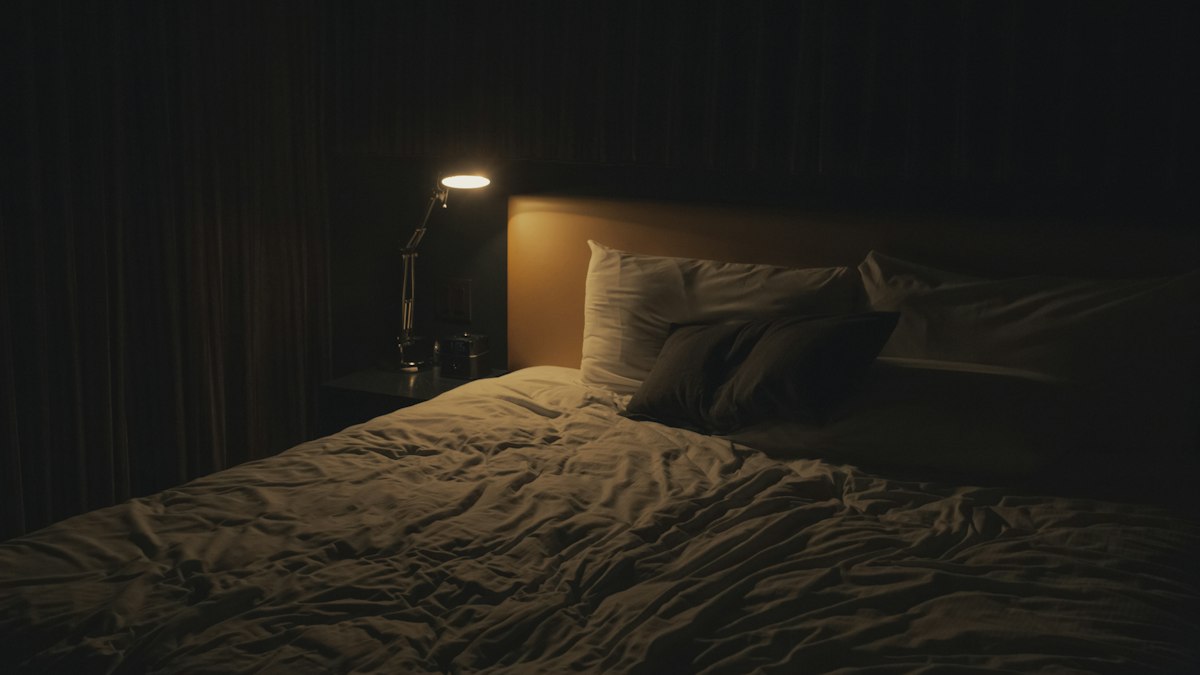
Most adults need at least seven hours of sleep, yet many fall short. These evidence-informed habits, from a consistent wake time to managing light and caffeine, make good sleep more likely.
Sleep affects mood, concentration, memory, immunity and long-term health. Public health bodies such as the U.S. Centers for Disease Control and Prevention advise that most adults need seven or more hours of sleep a night. "Sleep hygiene" is the name for daily habits and surroundings that make good sleep more likely. None of them is a magic switch, but together they make a real difference for many people.
1. Keep a consistent wake-up time
Your body clock, the circadian rhythm, likes regularity. Getting up at roughly the same time every day, including weekends, is one of the most effective habits. A fixed wake time anchors your rhythm, and a regular bedtime tends to follow.
2. Get daylight in the morning
Bright light early in the day helps set your body clock. Spend time outside or near a window soon after waking, even on cloudy days. In the evening, do the opposite: dim lights an hour or so before bed.
3. Manage screens before bed
Phones, tablets and laptops are stimulating as well as bright. Scrolling news or messages keeps the mind active. Try putting devices away 30 to 60 minutes before bed, or at least lower the brightness and avoid emotionally charged content. Charging your phone outside the bedroom removes the temptation entirely.
4. Watch caffeine timing
Caffeine can stay in your system for many hours. If you have trouble sleeping, avoid coffee, tea, energy drinks and cola from early afternoon onwards. Remember hidden sources such as some painkillers and chocolate.
5. Be careful with alcohol and heavy meals
Alcohol may help you fall asleep faster but tends to disrupt sleep later in the night. Large, rich meals close to bedtime can also make sleep less comfortable. Aim to finish your main meal a few hours before bed.
6. Make the bedroom work for sleep
- Dark: blackout curtains or an eye mask.
- Quiet: earplugs or a fan if noise is a problem.
- Cool: most people sleep better in a slightly cool room.
- Comfortable: a mattress and pillow that suit you.
- Reserved for sleep: avoid working in bed, so your brain associates bed with rest.
7. Build a wind-down routine
A predictable sequence signals that the day is ending: a warm shower, light reading, gentle stretching, a few minutes of writing down tomorrow's tasks so they are out of your head. Keep it simple enough to do every night.
8. Move during the day
Regular physical activity is associated with better sleep. Vigorous exercise very close to bedtime can be stimulating for some people, so experiment with timing. See how much exercise adults need.
9. If you cannot sleep, get up
Lying awake and frustrated can teach your brain that bed is a place for worrying. If you have been awake for what feels like 20 minutes or so, get up, go to another dim room and do something calm until you feel sleepy, then return to bed.
10. Be cautious with naps
Short naps of 20 to 30 minutes in the early afternoon can be refreshing. Long or late naps can make it harder to sleep at night.
When to see a doctor
Talk to a doctor if poor sleep lasts for several weeks, affects your daily life, or comes with signs such as loud snoring with pauses in breathing, gasping during sleep, or severe daytime sleepiness. These can indicate conditions such as insomnia disorder or sleep apnoea, which are treatable. Cognitive behavioural therapy for insomnia (CBT-I) is a well-established treatment for long-term insomnia. The NHS guide on how to fall asleep faster and sleep better includes further practical tips.
This article is general information, not medical advice.












0 Comments
No comments yet — be the first to share what you think.